Water → 1H-Indole, 5-nitro-1-(phenylsulfonyl)-
Reaction equation

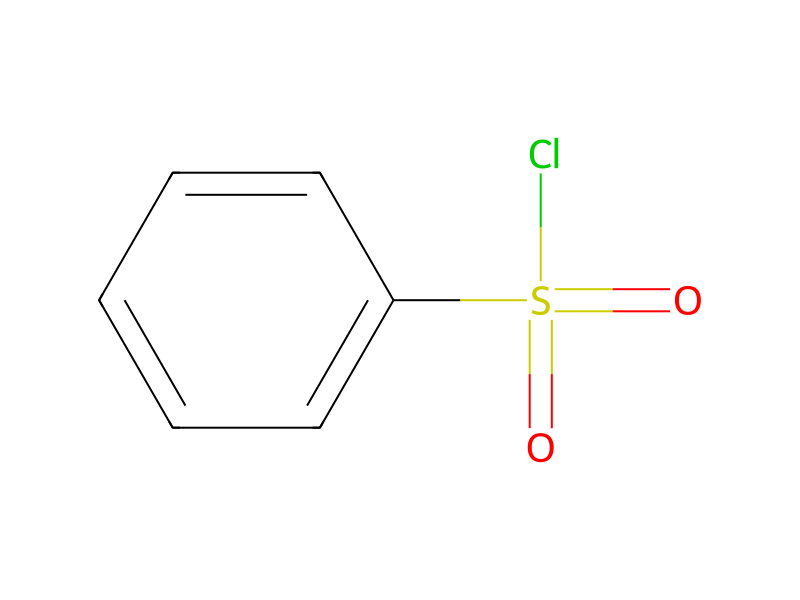
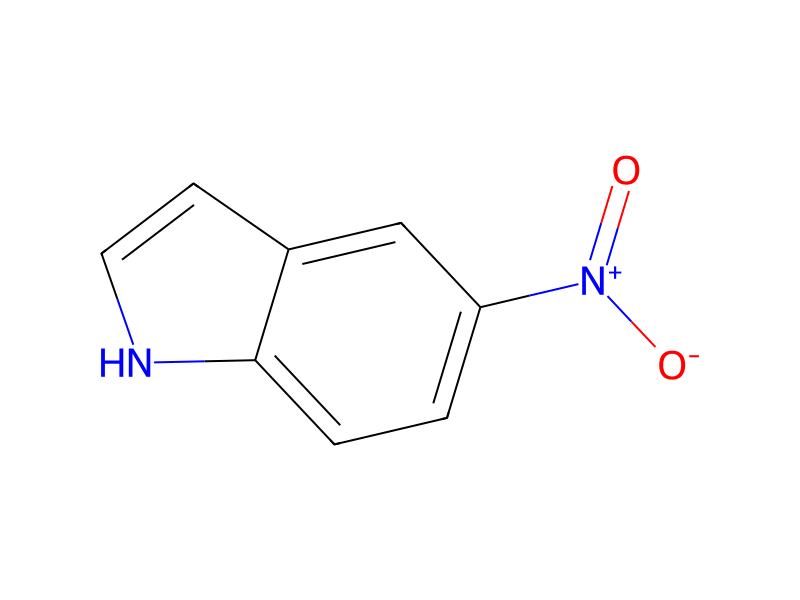
[N+:1]([C:4]1[CH:5]=[C:6]2[C:10](=[CH:11][CH:12]=1)[NH:9][CH:8]=[CH:7]2)([O-:3])=[O:2].[H-].[Na+].[C:15]1([S:21](Cl)(=[O:23])=[O:22])[CH:20]=[CH:19][CH:18]=[CH:17][CH:16]=1.O>CN(C)C=O>[C:15]1([S:21]([N:9]2[C:10]3[C:6](=[CH:5][C:4]([N+:1]([O-:3])=[O:2])=[CH:12][CH:11]=3)[CH:7]=[CH:8]2)(=[O:23])=[O:22])[CH:20]=[CH:19][CH:18]=[CH:17][CH:16]=1Participants
6
Reactant 4


Product 1

Reagents, catalysts & solvents 1

Procedure
A solution of 5-nitroindole (1.62 g, 10 mmol) in 30 ml of dimethylformamide (DMF) was treated with 60% sodium hydride (0.44 g, 11 mmol) at room temperature. After 3 minutes, benzenesulfonyl chloride (1.766 g, 10 mmol) was added. The mixture was stirred at room temperature overnight and treated with 250 ml of water. A precipitate formed and was filtered to give a yellow solid which was pumped in vacuo to give 2.7 g (89%) of the title compound.
Workup
- customA precipitate formed
- filtrationwas filtered
- customto give a yellow solid which
Sources & evidence
- ORD record
- ord-6a0706521cdc45398792546ba01c14b9
- Source dataset
- uspto-grants-2001_10
- Patent number
- US06303633B1
Reaction notes
Loading…