Diisopropylaniline → HCID 59359518, compound
Reaction equation

[CH:1]([C:4]1[CH:10]=[CH:9][CH:8]=[C:7]([CH:11]([CH3:13])[CH3:12])[C:5]=1[NH2:6])([CH3:3])[CH3:2].F[C:15]1[CH:20]=[CH:19][CH:18]=[CH:17][C:16]=1[N+:21]([O-:23])=[O:22].[F-].[K+]>O>[CH:11]([C:7]1[CH:8]=[CH:9][CH:10]=[C:4]([CH:1]([CH3:3])[CH3:2])[C:5]=1[NH:6][C:15]1[CH:20]=[CH:19][CH:18]=[CH:17][C:16]=1[N+:21]([O-:23])=[O:22])([CH3:13])[CH3:12]Participants
5
Reactant 3

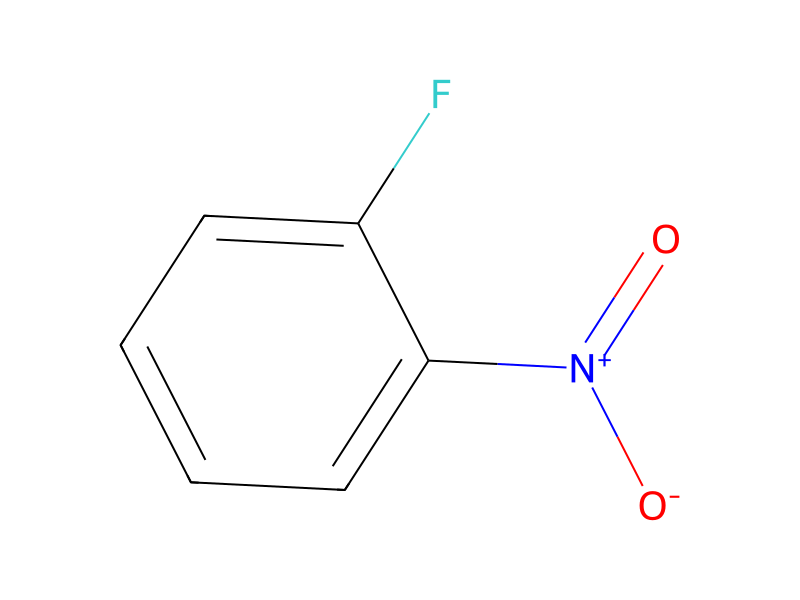

Product 1

Reagents, catalysts & solvents 1

Conditions
- Temperature
- 180 °C
Procedure
2,6-diisopropylaniline (25 g, 141 mmol), 2-fluoronitrobenzene (10 g, 70 mmol), and potassium fluoride (6.2 g, 106 mmol) were mixed in a one-neck flask. The mixture was heated up to 180° C. under nitrogen for 48 hours. After cooled to room temperature, water (200 mL) was added. The mixture was then extracted with dichloromethane (200 mL) for three times. The solvent was evaporated and the residue was purified by column chromatography using 20% of dichloromethane in hexanes. 10 g of desired product was obtained.
Workup
- temperatureAfter cooled to room temperature
- extractionThe mixture was then extracted with dichloromethane (200 mL) for three times
- customThe solvent was evaporated
- customthe residue was purified by column chromatography
Sources & evidence
- ORD record
- ord-2d6bcd9c4c304632959123c0c745dea0
- Source dataset
- uspto-grants-2013_02
- Patent number
- US08367223B2
Reaction notes
Loading…