Hydantoin → HCID 178507865, Verbindung
Reaktionsgleichung

Cl[C:2]1[CH:7]=[CH:6][N:5]2[N:8]=[CH:9][C:10]([CH:11]=O)=[C:4]2[N:3]=1.[NH:13]1[CH2:19][C:17](=[O:18])[NH:16][C:14]1=[O:15].CC[N:22](C(C)C)C(C)C.C([O-])(=O)C.[NH4+]>CCO>[NH2:22][C:2]1[CH:7]=[CH:6][N:5]2[N:8]=[CH:9][C:10]([CH:11]=[C:19]3[NH:13][C:14](=[O:15])[NH:16][C:17]3=[O:18])=[C:4]2[N:3]=1Komponenten
6
Edukt 4
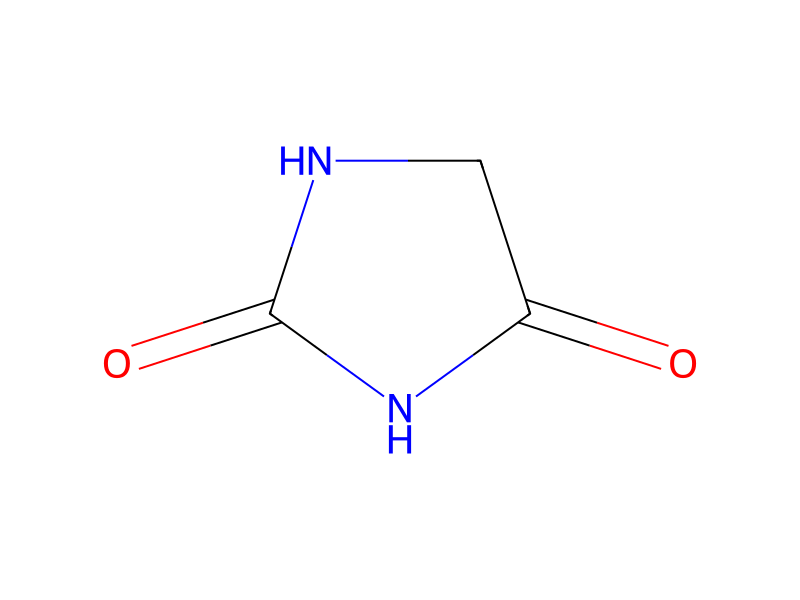



Produkt 1

Reagenzien, Katalysatoren, Lösungsmittel 1

Reaktionsbedingungen
- Temperatur
- 70 °C
Versuchsvorschrift
To 5-chloropyrazolo[1,5-a]pyrimidine-3-carbaldehyde (50 mg, 0.276 mmol) in EtOH was added hydantoin (38 mg, 0.380 mmol), DIEA (5 μL, 0.028 mmol), and ammonium acetate (88 mg, 1.143 mmol). The mixture was heated at 70° C. overnight. The solid formed was isolated by filtration and purified by HPLC to yield 5-((5-aminopyrazolo[1,5-a]pyrimidin-3-yl)methylene)imidazolidine-2,4-dione. LCMS (M+1=245)
Aufarbeitung
- customThe solid formed
- customwas isolated by filtration
- custompurified by HPLC
Quellen und Nachweise
- ORD-Eintrag
- ord-e80db8cbb0c443819fc023b1b6bc453e
- Quelldatensatz
- uspto-grants-2013_02
- Patentnummer
- US08367681B2
Notizen zur Reaktion
Wird geladen…