Isobutyraldehyde → 1-(6-Bromopyridin-2-yl)-3-methyl-1-morpholin-4-ylbutan-2-ol
Reaction equation

[Br:1][C:2]1[N:7]=[C:6]([CH2:8][N:9]2[CH2:14][CH2:13][O:12][CH2:11][CH2:10]2)[CH:5]=[CH:4][CH:3]=1.[Li+].CC([N-]C(C)C)C.[CH:23](=[O:27])[CH:24]([CH3:26])[CH3:25]>O1CCCC1>[Br:1][C:2]1[N:7]=[C:6]([CH:8]([N:9]2[CH2:10][CH2:11][O:12][CH2:13][CH2:14]2)[CH:23]([OH:27])[CH:24]([CH3:26])[CH3:25])[CH:5]=[CH:4][CH:3]=1Participants
5
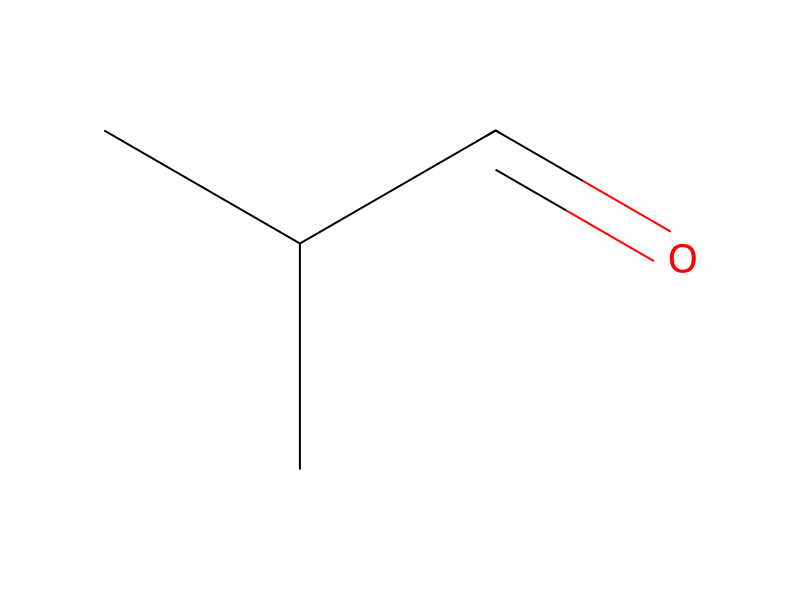



Conditions
- Temperature
- -78 °C
Procedure
4-[(6-Bromopyridin-2-yl)methyl]morpholine (Example 45, Step 1) (500 mg, 1.95 mmol) was placed under argon and then taken up in tetrahydrofuran (19.5 mL). The solution was cooled to −78° C. LDA (1.62 mL of 1.8 M, 2.92 mmol) was added dropwise over 30 minutes. The mixture was stirred at −78° C. for one hour. Isobutyraldehyde (0.71 mL, 7.8 mmol) was then added and the reaction was then stirred at −78° C. for 2 hours. The reaction was quenched with water and extracted with ethyl acetate. The organic layer was dried over magnesium sulfate, filtered, and concentrated in vacuo. Purification via flash chromatography (silica, 50-100% ethyl acetate/hexanes) afforded the title compound as a white solid.
Workup
- stirringthe reaction was then stirred at −78° C. for 2 hours
- customThe reaction was quenched with water
- extractionextracted with ethyl acetate
- dry with materialThe organic layer was dried over magnesium sulfate
- filtrationfiltered
- concentrationconcentrated in vacuo
- customPurification via flash chromatography (silica, 50-100% ethyl acetate/hexanes)
Sources & evidence
- ORD record
- ord-ca8c4861a53b455490012cf2b8a36a04
- Source dataset
- uspto-grants-2013_02
- Patent number
- US08367706B2
Reaction notes
Loading…