Potassium Cyanide → (4-Bromo-2-chlorophenyl)acetonitrile
Reaction equation

[Br:1][C:2]1[CH:7]=[CH:6][C:5]([CH2:8]Br)=[C:4]([Cl:10])[CH:3]=1.[C-:11]#[N:12].[K+]>ClC(Cl)C.O.[Cl-].C([N+](CCCC)(CCCC)CCCC)CCC>[Br:1][C:2]1[CH:7]=[CH:6][C:5]([CH2:8][C:11]#[N:12])=[C:4]([Cl:10])[CH:3]=1Participants
6




Procedure
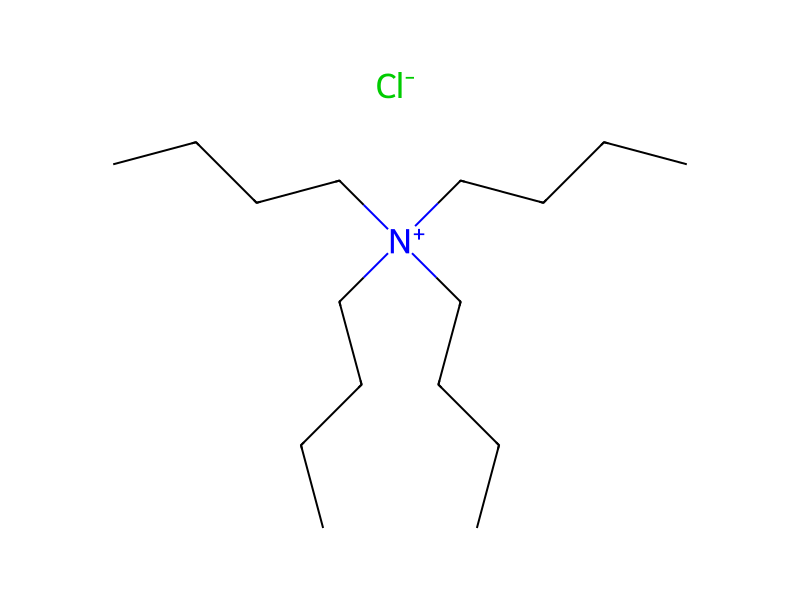
To a stirred solution of 4-bromo-1-bromomethyl-2-chlorobenzene (16, 62.5 g, 0.22 mol) in dichloroethane (522 mL) and water (480 mL) was added tetrabutylammonium chloride (5.05 g), followed by a solution of potassium cyanide (43.2 g, 75.8 mmol) in water (523 mL). and the solution was stirred for 4 h at room temperature. The layers were separated and the aqueous layer was extracted with dichloroethane (100 mL). The combined organic layers were washed with water (100 mL), dried over sodium sulfate filtered and evaporated. The crude product (52 g) was distilled under reduced pressure (1 mmHg), affording (4-bromo-2-chlorophenyl)-acetonitrile (45.5 g, 0.220 mol, 90%).
Workup
- customThe layers were separated
- extractionthe aqueous layer was extracted with dichloroethane (100 mL)
- washThe combined organic layers were washed with water (100 mL)
- dry with materialdried over sodium sulfate
- filtrationfiltered
- customevaporated
- distillationThe crude product (52 g) was distilled under reduced pressure (1 mmHg)
Sources & evidence
- ORD record
- ord-ad2cc4d86cd74f9d935f696782859fe3
- Source dataset
- uspto-grants-2013_02
- Patent number
- US08372970B2
Reaction notes
Loading…