Trifluoroacetic acid → HCID 86652488, compound
Reaction equation

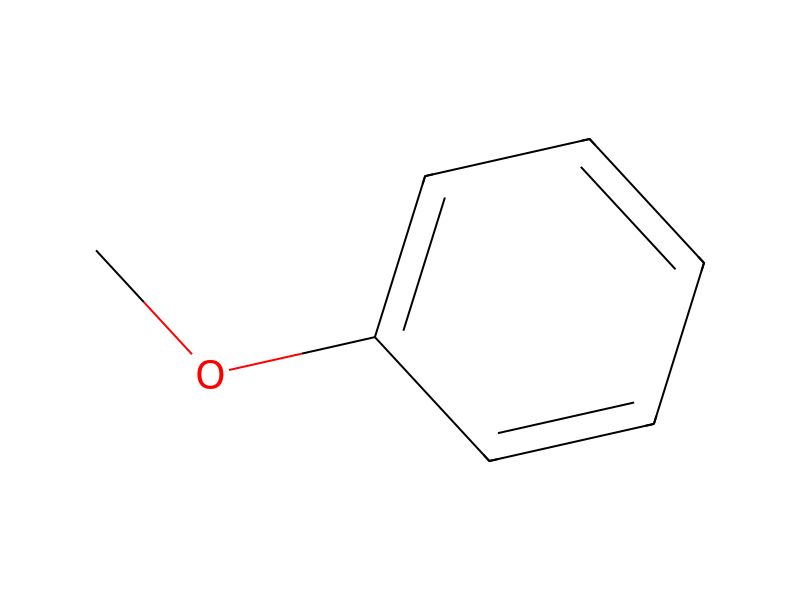
C([O-])(=O)C.C([O-])(=O)C.[CH3:9][O:10][C:11]1[CH:16]=[CH:15][C:14]([IH+:17])=[CH:13][CH:12]=1.[CH3:18][O:19][C:20]1[CH:25]=[CH:24][C:23]([IH+])=[CH:22][CH:21]=1.[F:27][C:28]([F:33])([F:32])[C:29]([OH:31])=[O:30].C1(OC)C=CC=CC=1>ClCCl>[F:27][C:28]([F:33])([F:32])[C:29]([O-:31])=[O:30].[CH3:9][O:10][C:11]1[CH:16]=[CH:15][C:14]([I+:17][C:23]2[CH:24]=[CH:25][C:20]([O:19][CH3:18])=[CH:21][CH:22]=2)=[CH:13][CH:12]=1Participants
5
Reactant 3


Product 1

Reagents, catalysts & solvents 1

Conditions
- Temperature
- -30 °C
Procedure
Under N2 protection, 1.41 g (4 mmol) p-methoxyphenyliodonium diacetate was dissolved in 30 mL of dry dichloromethane and the solution was cooled to −30° C. 0.61 mL (8 mmol) of trifluoroacetic acid was added and the solution was slowly brought back to room temperature and stirred at room temperature for 30 minutes. The solution was, again, cooled to −30° C. and 0.44 mL (4 mmol) anisole was added slowly and the mixture was warmed back up to room temperature and stirred for 1 hour. The solvent was evaporated and the residual solid was recrystallized from diethylether/dichloromethane to give 1.53 g bis(p-methoxyphenyl)iodonium trifluoroacetate (71%).
Workup
- customwas slowly brought back to room temperature
- temperatureagain, cooled to −30° C.
- temperaturethe mixture was warmed back up to room temperature
- stirringstirred for 1 hour
- customThe solvent was evaporated
- customthe residual solid was recrystallized from diethylether/dichloromethane
Sources & evidence
- ORD record
- ord-a67431ecbad84796967f7d82c41f134c
- Source dataset
- uspto-grants-2013_02
- Patent number
- US08377704B2
Reaction notes
Loading…