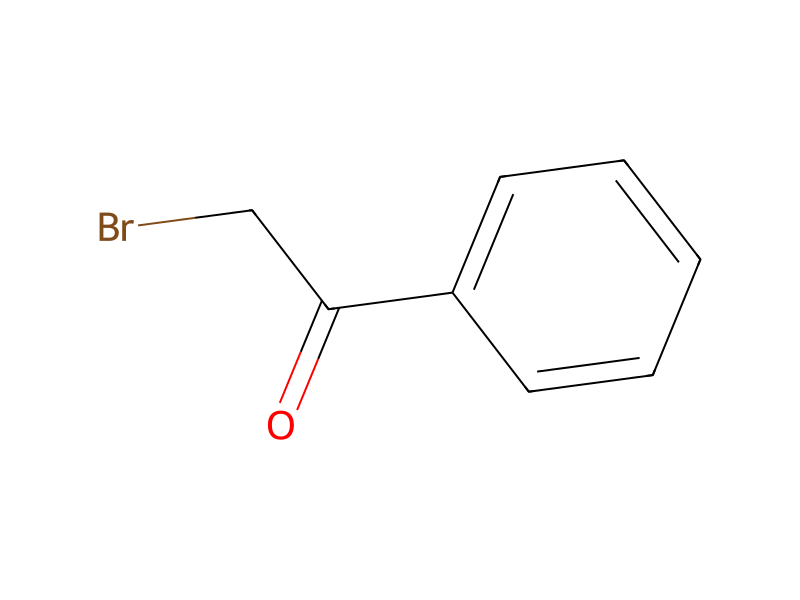
Phenacyl bromide → 4-(Oxazol-4-yl)benzene-1-sulfonyl chloride
Reaction equation

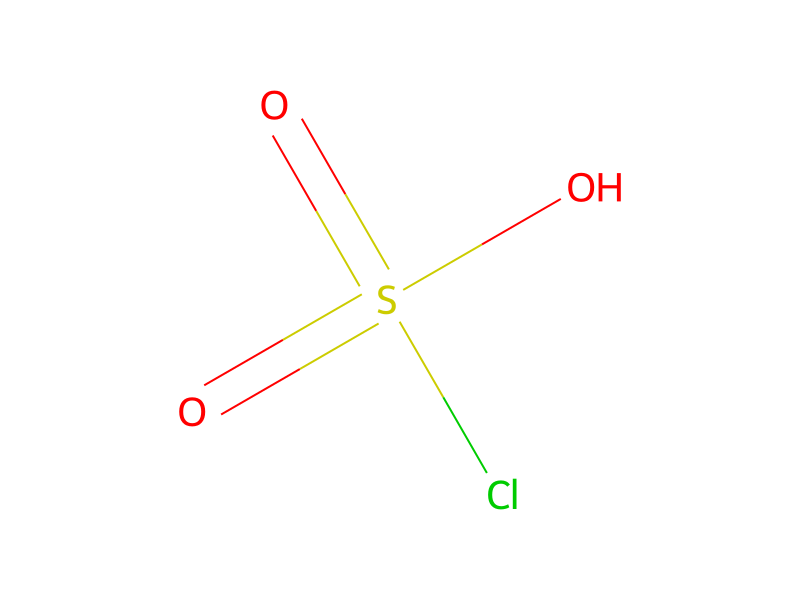
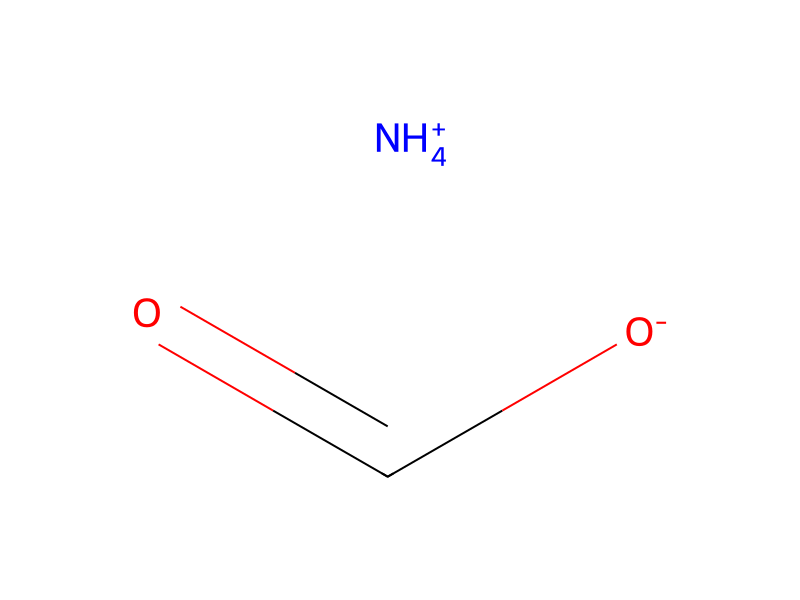
Br[CH2:2][C:3]([C:5]1[CH:10]=[CH:9][CH:8]=[CH:7][CH:6]=1)=O.[CH:11]([O-:13])=O.[NH4+:14].[Cl:15][S:16]([OH:19])(=O)=[O:17]>C(O)=O>[O:13]1[CH:2]=[C:3]([C:5]2[CH:10]=[CH:9][C:8]([S:16]([Cl:15])(=[O:19])=[O:17])=[CH:7][CH:6]=2)[N:14]=[CH:11]1Participants
Reactant 3
Product 1

Reagents, catalysts & solvents 1

Conditions
- Temperature
- 2.5 °C
Procedure
A solution of 2-bromo-1-phenyl-ethanone (40 g, 201 mmol) and ammonium formiate (44.35 g, 703 mmol) in formic acid (75 ml) was heated to reflux for 2 h. The reaction mixture was evaporated under reduced pressure, and the residue was added to water, which was extracted three times with dichloromethane. The crude product was purified by silica gel chromatography using ethyl acetate/heptane (0:10; 1:9) as eluent. At 0° C., 4-pPhenyloxazole (3 g, 20.67 mmol) was added slowly to 24.08 g of chlorosulfonic acid (206.67 mmol). The reaction mixture was stirred for 20 min at 0-5° C. and then warmed to room temperature, and finally stirred at 45° C. for 2 h. The reaction mixture was then added cautiously (!) to ice water. The precipitate was filtered, washed with water and dried in a vacuum oven at 30° C. to give the title compound (4.3 g, 76.8%).
Workup
- temperatureto reflux for 2 h
- customThe reaction mixture was evaporated under reduced pressure
- additionthe residue was added to water, which
- extractionwas extracted three times with dichloromethane
- customThe crude product was purified by silica gel chromatography
- temperaturewarmed to room temperature
- stirringfinally stirred at 45° C. for 2 h
- filtrationThe precipitate was filtered
- washwashed with water
- customdried in a vacuum oven at 30° C.
Sources & evidence
- ORD record
- ord-e90b5af4abf74095a1b6ff8c636a836e
- Source dataset
- uspto-grants-2013_02
- Patent number
- US08383641B2
Reaction notes
Loading…