Water → 2-Bromo-1,3-dimethyl-5-nitrobenzene
Reaction equation

FC(F)(F)S(O[C:7]1[C:12]([CH3:13])=[CH:11][C:10]([N+:14]([O-:16])=[O:15])=[CH:9][C:8]=1[CH3:17])(=O)=O.[Li+].[Br-:21].C(OCC)(=O)C.C1CCCCC1.O>CN1CCCC1=O>[Br:21][C:7]1[C:12]([CH3:13])=[CH:11][C:10]([N+:14]([O-:16])=[O:15])=[CH:9][C:8]=1[CH3:17]Participants
6




Procedure
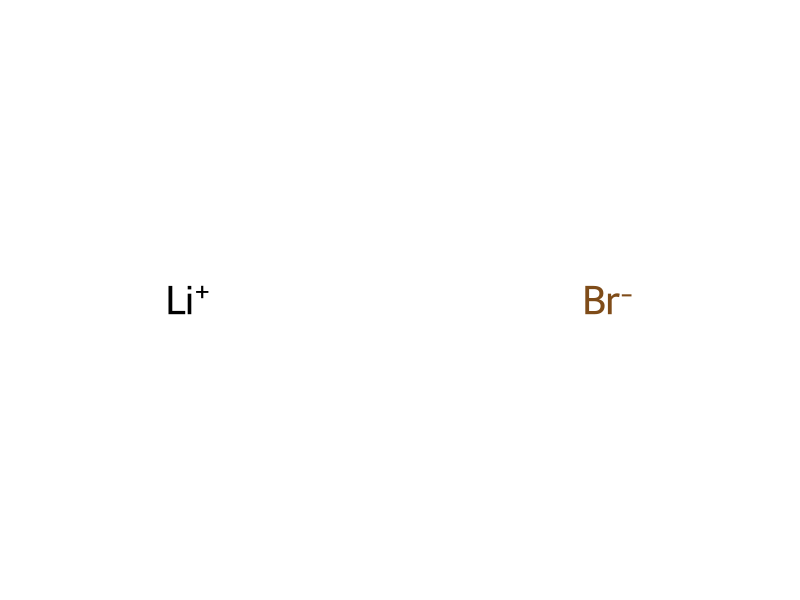
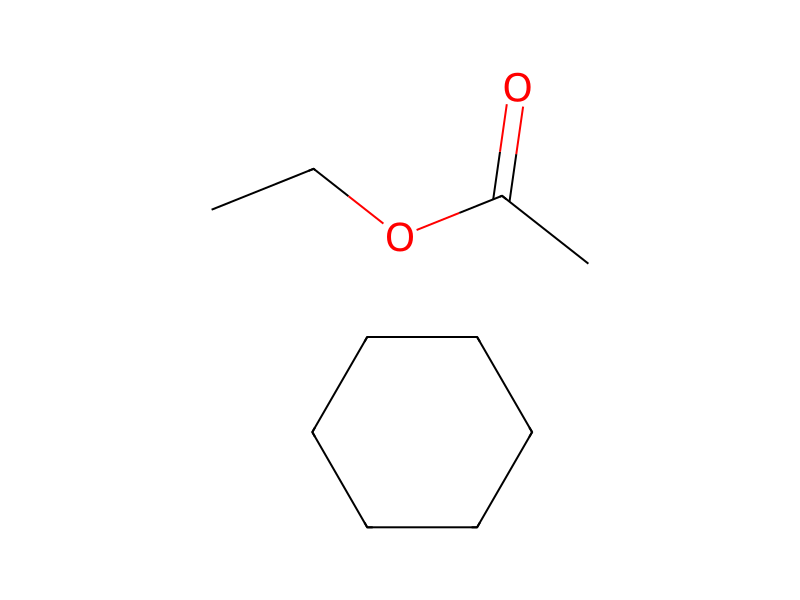
10.7 g (35.8 mmol) of 2,6-dimethyl-4-nitrophenyl trifluoromethanesulphonate (Example I) and 4.84 g (55.8 mmol) of LiBr are stirred in 120 ml of N-methylpyrrolidinone at 120° C. for 41 h. (Solvent: ethyl acetate/cyclohexane 1:4). After cooling, 80 ml of water are slowly added, and the mixture is stirred while cooling in an icebath for 1 h. The precipitate is filtered off with suction and stirred with 200 ml of petroleum ether. The solvent is removed in vacuo. 7.23 g (85%) of solid are obtained.
Workup
- temperatureAfter cooling
- temperaturewhile cooling in an icebath for 1 h
- filtrationThe precipitate is filtered off with suction
- stirringstirred with 200 ml of petroleum ether
- customThe solvent is removed in vacuo
Sources & evidence
- ORD record
- ord-204e67958ebc40b3a595c4dfac99f806
- Source dataset
- uspto-grants-2004_10
- Patent number
- US06803480B2
Reaction notes
Loading…