Ethanol → 4-(3-aminophenyl)-4-ethyl-N-hexylpiperidine
Reaction equation

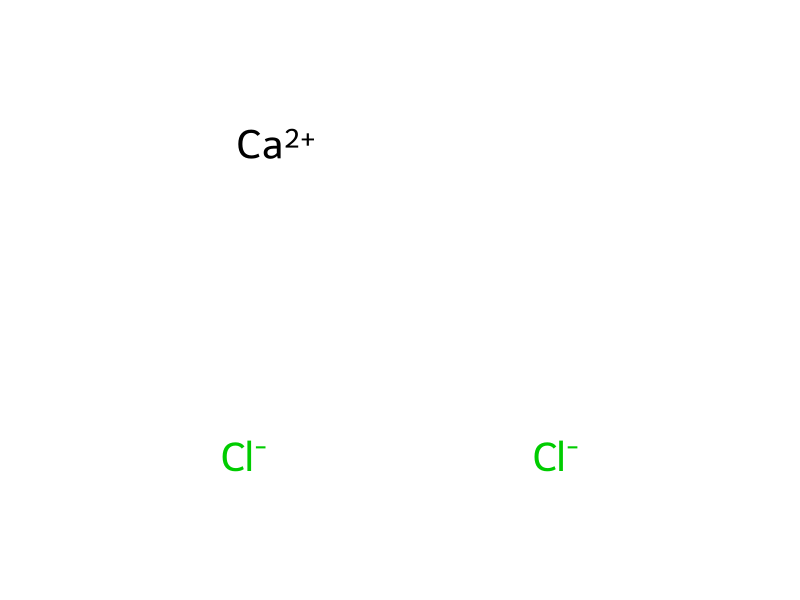
[CH2:1]([C:3]1([C:15]2[CH:20]=[CH:19][CH:18]=[C:17]([N+:21]([O-])=O)[CH:16]=2)[CH2:8][CH2:7][N:6]([CH2:9][CH2:10][CH2:11][CH2:12][CH2:13][CH3:14])[CH2:5][CH2:4]1)[CH3:2].C(O)C.[Cl-].[Ca+2].[Cl-]>[Fe].O>[NH3:6].[NH2:21][C:17]1[CH:16]=[C:15]([C:3]2([CH2:1][CH3:2])[CH2:8][CH2:7][N:6]([CH2:9][CH2:10][CH2:11][CH2:12][CH2:13][CH3:14])[CH2:5][CH2:4]2)[CH:20]=[CH:19][CH:18]=1Participants




Procedure
To a solution of 4-ethyl-N-hexyl-4-(3-nitrophenyl)piperidine (Preparation 63, 335 mg, 1.05 mmol) in 9:1 ethanol:water (41 ml) was added iron powder (530 mg, 9.45 mmol) followed by calcium chloride (58 mg, 0.53 mmol). The reaction mixture was heated under reflux for 2 h, then the mixture was allowed to cool. The mixture was filtered and the filtrate was concentrated in vacuo. The residue was partitioned between dichloromethane (20 ml) and water (20 ml). The phases were separated and the organic extract was dried (MgSO4), filtered and concentrated in vacuo to give the crude product. This was purified by silica (10 g) column chromatography eluting with methanol:dichloromethane:0.880 ammonia (10:89:1) to give the title compound as a brown oil (103 mg, 34%).
Workup
- temperatureThe reaction mixture was heated
- temperatureunder reflux for 2 h
- temperatureto cool
- filtrationThe mixture was filtered
- concentrationthe filtrate was concentrated in vacuo
- customThe residue was partitioned between dichloromethane (20 ml) and water (20 ml)
- customThe phases were separated
- extractionthe organic extract
- dry with materialwas dried (MgSO4)
- filtrationfiltered
- concentrationconcentrated in vacuo
- customto give the crude product
- customThis was purified by silica (10 g) column chromatography
- washeluting with methanol
Sources & evidence
- ORD record
- ord-0e10e080a9ef46b9b2b56b532859b267
- Source dataset
- uspto-grants-2003_08
- Patent number
- US06610711B2
Reaction notes
Loading…