Pyridine → HCID 18945265, compound
Reaction equation

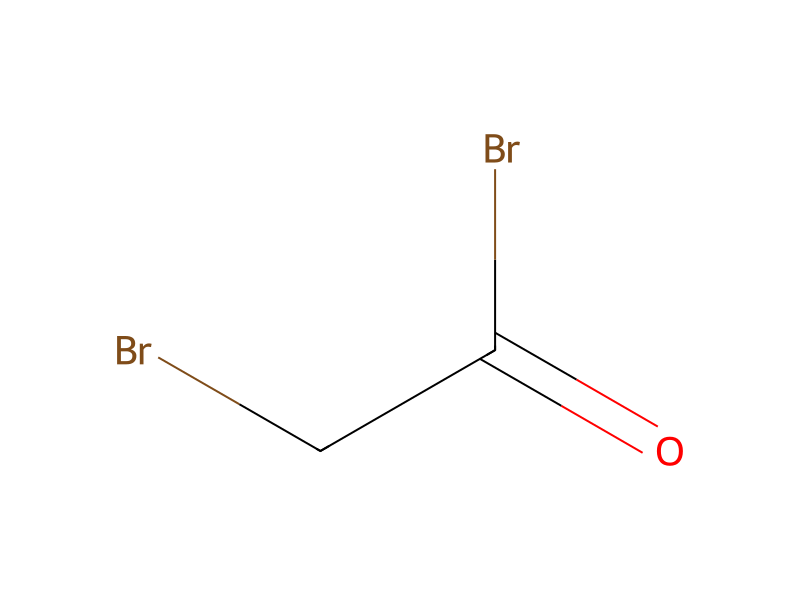
[NH2:1][C:2]1[CH:3]=[C:4]([CH:9]=[C:10]([N:12]2[CH:16]=[CH:15][CH:14]=[CH:13]2)[CH:11]=1)[C:5]([O:7][CH3:8])=[O:6].N1C=CC=CC=1.[Br:23][CH2:24][C:25](Br)=[O:26].C(OCC)(=O)C>ClCCl>[Br:23][CH2:24][C:25]([NH:1][C:2]1[CH:3]=[C:4]([CH:9]=[C:10]([N:12]2[CH:16]=[CH:15][CH:14]=[CH:13]2)[CH:11]=1)[C:5]([O:7][CH3:8])=[O:6])=[O:26]Participants
6
Reactant 4



Product 1

Reagents, catalysts & solvents 1

Procedure
To a mixture of methyl 3-amino-5-(pyrrol-1-yl)benzoate (1.0 g) and pyridine (0.41 ml) in dichloromethane (20 ml) was added bromoacetyl bromide (0.44 ml) under ice cooling. After stirring for 6 hours at room temperature, the reaction mixture was poured into the mixture of ethyl acetate and ice-water. The organic layer was successively washed with brine and dried over magnesium sulfate. The solvent was evaporated in vacuo and the residue was pulverized from diethyl ether to give methyl 3-bromoacetylamino-5-(pyrrol-1-yl)benzoate (1.51 g).
Workup
- washThe organic layer was successively washed with brine
- dry with materialdried over magnesium sulfate
- customThe solvent was evaporated in vacuo
Sources & evidence
- ORD record
- ord-2ca61c1add794c19842d3ee9733e5c95
- Source dataset
- uspto-grants-1998_10
- Patent number
- US05824691
Reaction notes
Loading…