Water → 2-[3-(2-Cyanopyrrol-1-yl)benzoyl]guanidine
Reaction equation

C[O-].[Na+].Cl.[NH2:5][C:6]([NH2:8])=[NH:7].[C:9]([C:11]1[N:12]([C:16]2[CH:17]=[C:18]([CH:23]=[CH:24][CH:25]=2)[C:19](OC)=[O:20])[CH:13]=[CH:14][CH:15]=1)#[N:10].O>CN(C)C=O>[C:9]([C:11]1[N:12]([C:16]2[CH:17]=[C:18]([CH:23]=[CH:24][CH:25]=2)[C:19]([N:7]=[C:6]([NH2:8])[NH2:5])=[O:20])[CH:13]=[CH:14][CH:15]=1)#[N:10]Participants
6





Procedure
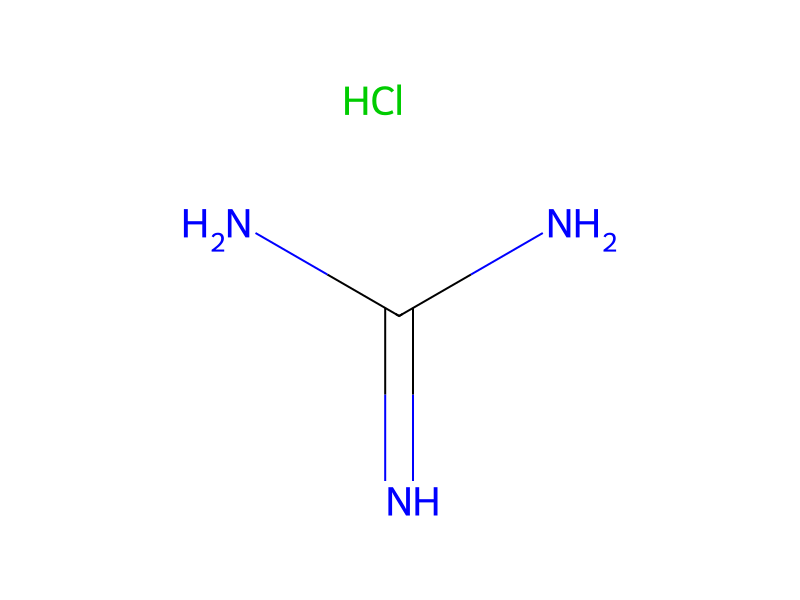
28% Methanolic sodium methoxide (122.2 ml) was added to a solution of guanidine hydrochloride (63.7 g) in dry N,N-dimethylformamide (300 ml) and the mixture was stirred for 20 minutes at ambient temperature. To the mixture was added methyl 3-(2-cyanopyrrol-1-yl)benzoate (30.5 g), and the mixture was stirred for 2 hours at the same temperature. The reaction mixture was poured into water under stirring. The isolated precipitate was collected by filtration to give 2-[3-(2-cyanopyrrol-1-yl)benzoyl]guanidine (21.66 g).
Workup
- stirringthe mixture was stirred for 2 hours at the same temperature
- stirringunder stirring
- filtrationThe isolated precipitate was collected by filtration
Sources & evidence
- ORD record
- ord-7103577844754c4eb7e2a352b01c9ad8
- Source dataset
- uspto-grants-1998_10
- Patent number
- US05824691
Reaction notes
Loading…