Hydrochloric Acid → 2-Ethyl-5-bromophenylboronic acid
Reaction equation

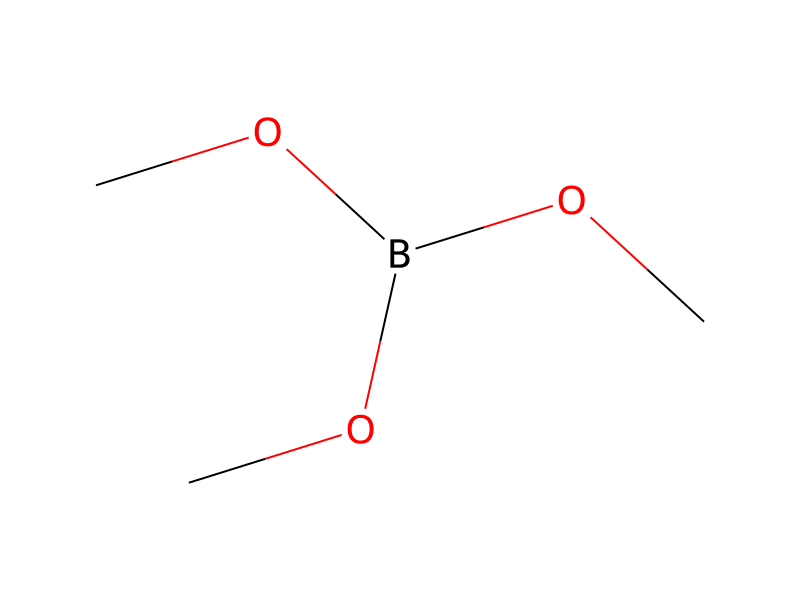
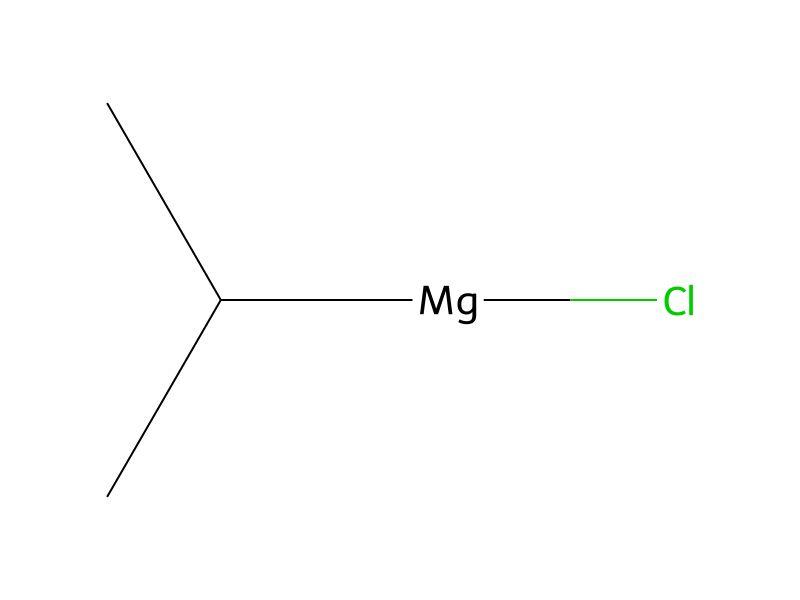
[Br:1][C:2]1[CH:7]=[CH:6][C:5]([CH2:8][CH3:9])=[C:4](I)[CH:3]=1.C([Mg]Cl)(C)C.C[O:17][B:18](OC)[O:19]C.Cl>O1CCCC1>[Br:1][C:2]1[CH:7]=[CH:6][C:5]([CH2:8][CH3:9])=[C:4]([B:18]([OH:19])[OH:17])[CH:3]=1Participants




Procedure
To a solution of 4-bromo-1-ethyl-2-iodobenzene (10.00 g, 32.20 mmol) in anhydrous tetrahydrofuran (60 ml) at −78° C. is added a solution of isopropylmagnesium chloride (16.90 ml, 33.80 mmol, 2M solution in tetrahydrofuran) dropwise, maintaining a temperature below −60° C. After stirring for 20 minutes the reaction mixture is allowed to slowly warm to room temperature followed by an additional hour of stirring. The solution is re-cooled to −78° C. and trimethylborate (7.18 ml, 64.32 mmol) is added dropwise, after which the mixture is again allowed to warm to room temperature with further stirring for 2 hours. Dilute aqueous hydrochloric acid (30 ml) is added, and the crude product is extracted into ethyl acetate (100 ml). The aqueous phase is washed with ethyl acetate (2×100 ml), and all organics are combined, dried over anhydrous magnesium sulfate then concentrated in vacuo to give a light brown solid which is triturated with hexanes to afford 5-bromo-2-ethylphenylboronic acid (6.46 g) as a cream powder.
Workup
- temperaturemaintaining a temperature below −60° C
- waitfollowed by an additional hour
- stirringof stirring
- temperatureThe solution is re-cooled to −78° C.
- temperatureto warm to room temperature
- stirringwith further stirring for 2 hours
- extractionthe crude product is extracted into ethyl acetate (100 ml)
- washThe aqueous phase is washed with ethyl acetate (2×100 ml)
- dry with materialdried over anhydrous magnesium sulfate
- concentrationthen concentrated in vacuo
- customto give a light brown solid which
- customis triturated with hexanes
Sources & evidence
- ORD record
- ord-e6aaaab91eab4c99b674b02d266934a8
- Source dataset
- uspto-grants-2014_06
- Patent number
- US08741806B2
Reaction notes
Loading…