Potassium Carbonate → Rasagiline
Reaction equation

[CH:1]#[C:2][CH2:3][NH:4][C@H:5]1[C:13]2[C:8](=[CH:9][CH:10]=[CH:11][CH:12]=2)[CH2:7][CH2:6]1.Cl.C(Cl)C#C.C(=O)([O-])[O-].[K+].[K+]>C(#N)C>[CH:1]#[C:2][CH2:3][NH:4][C@H:5]1[C:13]2[CH:12]=[CH:11][CH:10]=[CH:9][C:8]=2[CH2:7][CH2:6]1Participants
5
Reactant 3

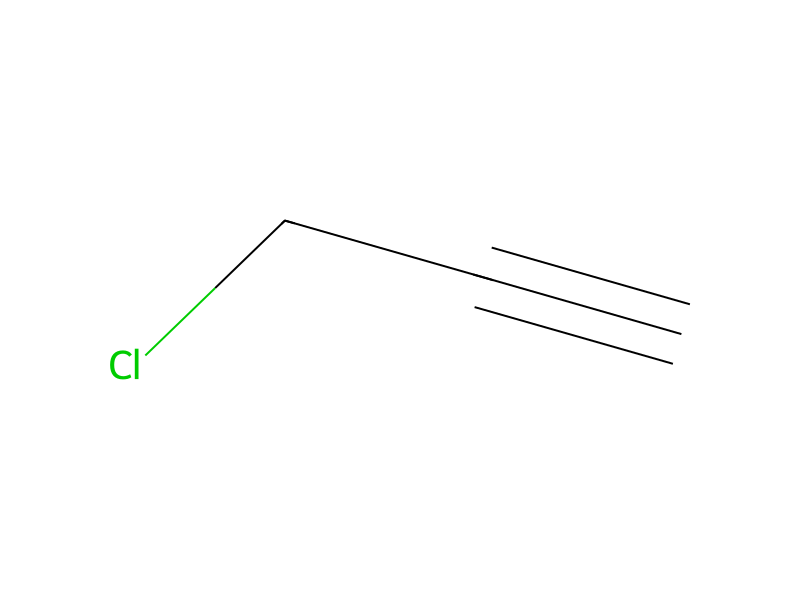

Product 1

Reagents, catalysts & solvents 1

Procedure
Another process for preparation of Rasagiline hydrochloride as disclosed in EP '492 comprises reaction of R(−)-1-aminoindan (8) with propargyl chloride (6) in presence of potassium carbonate in acetonitrile (ACN) at 60° C. for 16 hours to obtain R(+) Rasagiline base (9) which is then purified by column chromatography. The purified base is then converted to R(+)-Rasagiline hydrochloride followed by recrystallization with isopropanol. The main disadvantage of this process is longer reaction time (16 hours) and low overall yield of about 56%.
Sources & evidence
- ORD record
- ord-07d03e85e0ac476bb65c4f60769aa0a2
- Source dataset
- uspto-grants-2014_06
- Patent number
- US08741962B2
Reaction notes
Loading…