Hydrogen Peroxide → Acrylic acid sodium acrylate
Reaction equation

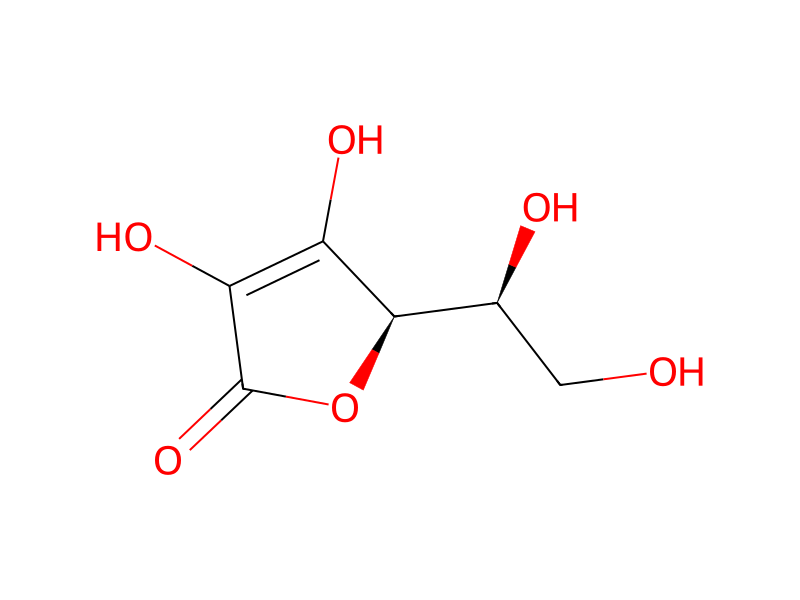
[OH-].[Na+:2].[C:3]([OH:7])(=[O:6])[CH:4]=[CH2:5].OO.[O-]S(OOS([O-])(=O)=O)(=O)=O.[Na+].[Na+].[O:22]=[C:23]1[O:29][C@H]([C@H](CO)O)[C:26](O)=[C:24]1O>O>[C:3]([OH:7])(=[O:6])[CH:4]=[CH2:5].[C:23]([O-:29])(=[O:22])[CH:24]=[CH2:26].[Na+:2]Participants
Reactant 5




Product 1

Reagents, catalysts & solvents 1

Conditions
- Temperature
- 30 °C
Procedure
By continuously mixing water, 50% by weight sodium hydroxide solution and acrylic acid, a 38.8% by weight acrylic acid/sodium acrylate solution was prepared such that the degree of neutralization was 69.0 mol %. After the components had been mixed, the monomer solution was cooled continuously to a temperature of 30° C. by means of a heat exchanger and degassed with nitrogen. The polyethylenically unsaturated crosslinker used was 3-tuply ethoxylated glyceryl triacrylate (purity approx. 85% by weight). The amount used, based on the acrylic acid used, was 0.35% by weight. To initiate the free-radical polymerization, the following components were used: hydrogen peroxide (0.002% by weight of a 2.5% by weight aqueous solution), sodium peroxodisulfate (0.1% by weight of a 15% by weight aqueous solution), and ascorbic acid (0.01% by weight of a 0.5% by weight aqueous solution). The percentages by weight are based in turn on the acrylic acid used. The throughput of the monomer solution was 500 kg/h.
Workup
- additionAfter the components had been mixed
- customdegassed with nitrogen
- customthe free-radical polymerization
Sources & evidence
- ORD record
- ord-5a312c78fca9447584358acfc684e5be
- Source dataset
- uspto-grants-2014_06
- Patent number
- US08742026B2
Reaction notes
Loading…