Hydrogen Peroxide → 4,4-dimethyl-3,4-dihydro-2H-thiochromene-6-carbaldehyde 1,1-dioxide
Reaction equation

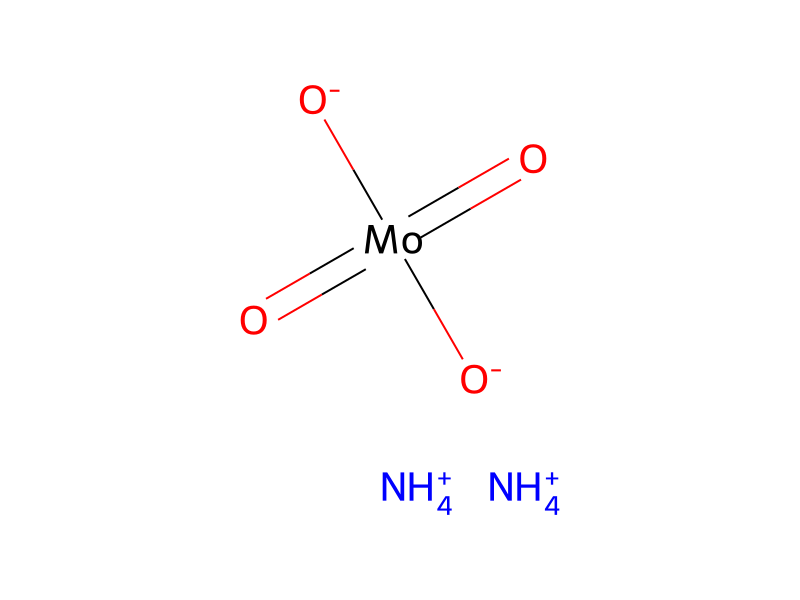
[CH3:1][C:2]1([CH3:15])[C:11]2[C:6](=[CH:7][CH:8]=[C:9]([CH:12]=[O:13])[CH:10]=2)[S:5](=[O:14])[CH2:4][CH2:3]1.C1C[O:19]CC1.OO>C(O)C.ClCCl.[NH4+].[Cl-].[NH4+].[NH4+].[O-][Mo]([O-])(=O)=O>[CH3:1][C:2]1([CH3:15])[C:11]2[C:6](=[CH:7][CH:8]=[C:9]([CH:12]=[O:13])[CH:10]=2)[S:5](=[O:19])(=[O:14])[CH2:4][CH2:3]1Participants
Reactant 3



Product 1

Reagents, catalysts & solvents 4



Procedure
A solution of 4,4-dimethyl-3,4-dihydro-2H-thiochromene-6-carbaldehyde 1-oxide (148 mg, 0.67 mmol) in ethanol (5.94 mL): THF (2.40 mL) and hydrogen peroxide (2.33 mL, 26.6 mmol, 35 wt. % in water) was treated with ammonium molybdate (26.1 mg, 0.13 mmol) at room temperature. The mixture was stirred at room temperature for 80 minutes before being diluted with dichloromethane (30.0 mL) and saturated aqueous NH4Cl (5.00 mL). The organic layer was separated, and the aqueous layer was extracted with dichloromethane (2×, 30.0 mL). The combined organic layers were dried over Na2SO4, filtered and concentrated under vacuum. The crude mixture was purified by silica gel chromatography eluting with 0-5% MeOH/dichloromethane to give the desired product as a white solid.
Workup
- customThe organic layer was separated
- extractionthe aqueous layer was extracted with dichloromethane (2×, 30.0 mL)
- dry with materialThe combined organic layers were dried over Na2SO4
- filtrationfiltered
- concentrationconcentrated under vacuum
- customThe crude mixture was purified by silica gel chromatography
- washeluting with 0-5% MeOH/dichloromethane
Sources & evidence
- ORD record
- ord-14d15f788af9422782cb35ea4e21da9f
- Source dataset
- uspto-grants-2014_06
- Patent number
- US08742110B2
Reaction notes
Loading…