Acetate → 5-Bromo-3-(1-ethyl-1H-pyrazol-4-ylamino)-1-methylpyrazin-2(1H)-one
Reaction equation

[CH2:1]([N:3]1[CH:7]=[C:6]([NH2:8])[CH:5]=[N:4]1)[CH3:2].Br[C:10]1[C:11](=[O:18])[N:12]([CH3:17])[CH:13]=[C:14]([Br:16])[N:15]=1.C([O-])(=O)C>C(O)(C)C>[Br:16][C:14]1[N:15]=[C:10]([NH:8][C:6]2[CH:5]=[N:4][N:3]([CH2:1][CH3:2])[CH:7]=2)[C:11](=[O:18])[N:12]([CH3:17])[CH:13]=1Participants
5
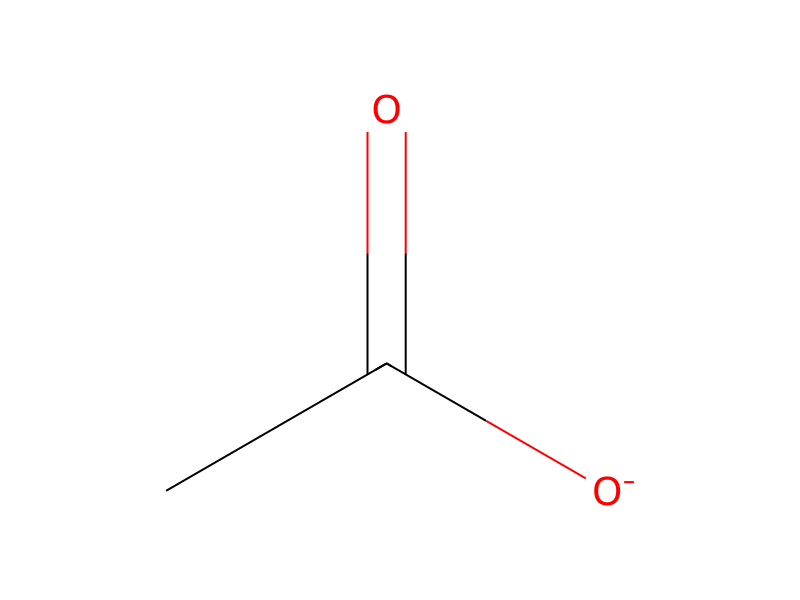


Conditions
- Temperature
- 100 °C
Procedure
A 100-mL single-neck round-bottomed flask equipped with a magnetic stirrer and reflux condenser was charged with 123b (500 mg, 4.5 mmol), 3,5-dibromo-1-methylpyrazin-2(1H)-one (2.40 g, 9.0 mmol), DIPethyl acetate (3 mL), and isopropanol (50 mL). The mixture was heated at 100° C. for 2 h. It was then cooled to room temperature and filtered. The filtrate was concentrated under reduced pressure to afford 123c (802 mg, 60%) as a white solid. MS-ESI: [M+H]+ 298.0
Workup
- customA 100-mL single-neck round-bottomed flask equipped with a magnetic stirrer
- temperaturereflux condenser
- temperatureIt was then cooled to room temperature
- filtrationfiltered
- concentrationThe filtrate was concentrated under reduced pressure
Sources & evidence
- ORD record
- ord-e34ce01c762e4a62a6851236c675e852
- Source dataset
- uspto-grants-2014_06
- Patent number
- US08754077B2
Reaction notes
Loading…