Triethylamine → 2-Methyl-1-(2-nitro-6,7-dihydropyrazolo[1,5-a]pyrazin-5(4H)-yl)propan-1-one
Reaction equation

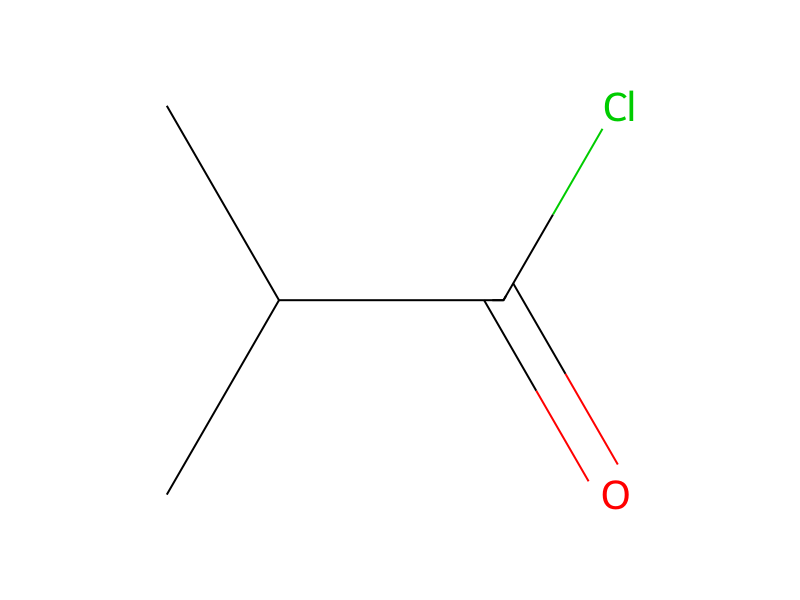
[N+:1]([C:4]1[CH:12]=[C:7]2[CH2:8][NH:9][CH2:10][CH2:11][N:6]2[N:5]=1)([O-:3])=[O:2].C(N(CC)CC)C.[C:20](Cl)(=[O:24])[CH:21]([CH3:23])[CH3:22]>ClCCl>[CH3:22][CH:21]([CH3:23])[C:20]([N:9]1[CH2:10][CH2:11][N:6]2[N:5]=[C:4]([N+:1]([O-:3])=[O:2])[CH:12]=[C:7]2[CH2:8]1)=[O:24]Participants
5




Procedure
To a solution of 2-nitro-4,5,6,7-tetrahydropyrazolo[1,5-a]pyrazine 124d (160 mg, 0.952 mmol) in dichloromethane (10 mL) was added triethylamine (197 mg, 1.90 mmol). After stirring at room temperature for 5 minutes, a solution of isobutyryl chloride (111.0 mg, 1.047 mmol) in dichloromethane (2 mL) was added and the mixture was stirred for 1 h. Analysis of the reaction mixture by LCMS showed complete conversion to the desired product. It was then concentrated under reduced pressure to afford 148a as a white solid (220 mg, 97%), which was used in the next step without further purification. MS-ESI: [M+H]+ 239.0
Workup
- stirringthe mixture was stirred for 1 h
Sources & evidence
- ORD record
- ord-02acc44f46cc457999d95d5c41ee4c6b
- Source dataset
- uspto-grants-2014_06
- Patent number
- US08754077B2
Reaction notes
Loading…