1,2-Dibromoethane → Hydrochloric Acid
Reaction equation

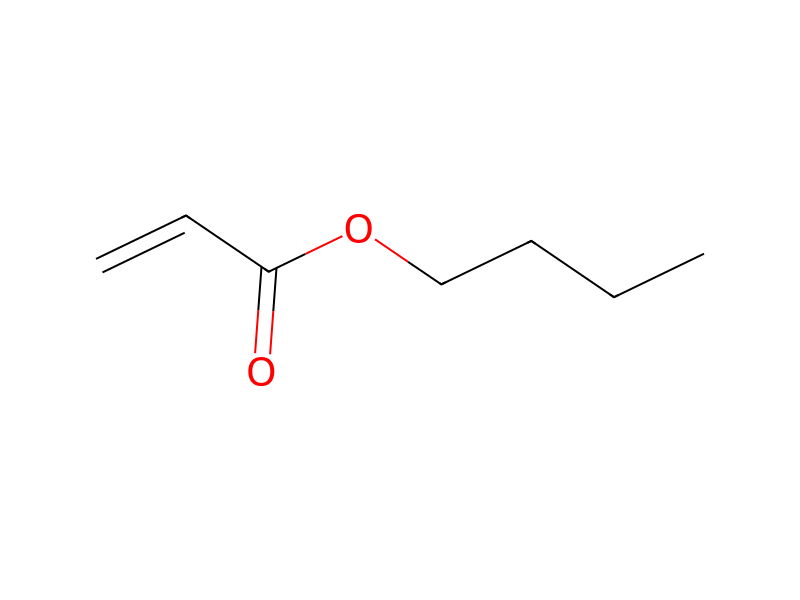
[CH3:1][C:2](C)(C)[C:3]([NH2:5])=O.[Cl:8][C:9]1[CH:14]=[CH:13][CH:12]=[C:11]([O:15]C)[N:10]=1.C([Li])CCC.BrCCBr.C(OCCCC)(=O)C=C>[Pd]>[NH:10]1[C:9]2[C:14](=[CH:1][CH:2]=[CH:3][N:5]=2)[CH2:13][CH2:12][C:11]1=[O:15].[ClH:8]Participants







Procedure
In step (a) trimethylacetamide may be reacted with 2-chloro-6-(methyloxy)pyridine. In step (b) the product of step (a) may be treated with n-butyl lithium and 1,2-dibromoethane. The product from step (b) may be treated in step (c) with n-butyl acrylate. Hydrogenation in the presence of palladium on carbon in step (d) can yield the hydrogenated product. The product of step (d) may be cyclised in step (e) to yield the 3,4-dihydro-1,8-naphthyridin-2(1H)-one by treatment with hydrochloric acid. In step (f) the oxirane may be formed by reaction with sodium hydride then with (2S)-2-oxiranylmethyl 3-nitrobenzenesulfonate. Cyclisation to the imidazonaphthyridine may be done by heating the oxirane, or microwave power. Step (h) to attach the 4-(N-tert-butoxycarbonylamino) piperidine moiety may be performed by formation of the methanesulfonate, then reaction with the corresponding amine. Aromatisation of the ring in step (i) may be done by treatment with DDQ followed by heating. The amine may then be deprotected using acid hydrolysis, step (j) to yield the amine (IIA), which may then be reacted with a compound of Formula IIB e.g. an aldehyde to form the compound of Formula (I).
Sources & evidence
- ORD record
- ord-678554064e6d4a0cb899c16aa7fa6fad
- Source dataset
- uspto-grants-2012_01
- Patent number
- US08097628B2
Reaction notes
Loading…