Ethanol → 3-(3-Hexyl-6-isopropyl-3-azabicyclo[3.1.0]hex-6-yl)aniline
Reaction equation

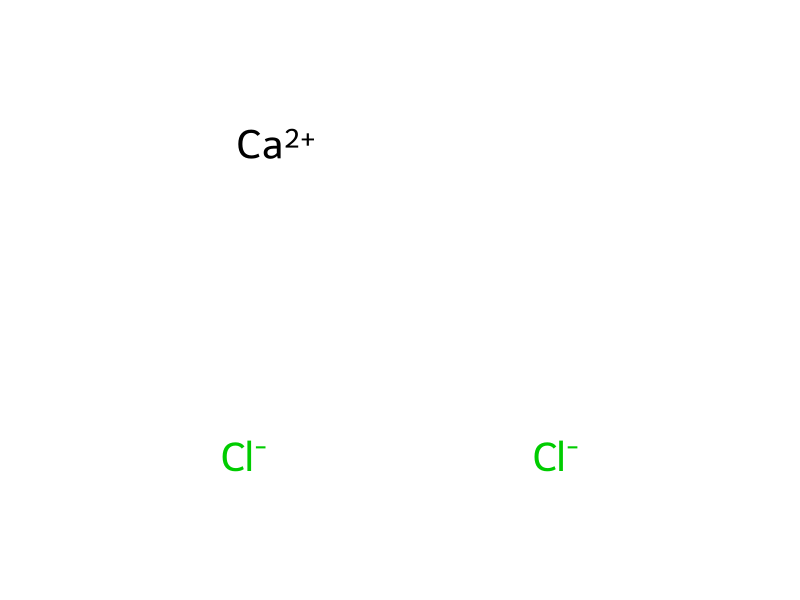
[CH2:1]([N:7]1[CH2:12][CH:11]2[CH:9]([C:10]2([CH:22]([CH3:24])[CH3:23])[C:13]2[CH:18]=[CH:17][CH:16]=[C:15]([N+:19]([O-])=O)[CH:14]=2)[CH2:8]1)[CH2:2][CH2:3][CH2:4][CH2:5][CH3:6].C(O)C.[Cl-].[Ca+2].[Cl-]>O.[Fe]>[CH2:1]([N:7]1[CH2:12][CH:11]2[CH:9]([C:10]2([C:13]2[CH:14]=[C:15]([CH:16]=[CH:17][CH:18]=2)[NH2:19])[CH:22]([CH3:24])[CH3:23])[CH2:8]1)[CH2:2][CH2:3][CH2:4][CH2:5][CH3:6]Participants
6




Procedure
To a stirred suspension of 3-hexyl-6-isopropyl-6-(3-nitrophenyl)-3-azabicyclo[3.1.0]hexane (Preparation 60, 0.18 g, 0.54 mmol), ethanol (15 ml) and iron powder (0.27 g, 4.88 mmol) was added calcium chloride (0.06 gmu 0.54 inmol) in water (3 ml). The reaction mixture was heated under reflux for 3 h and then filtered through a pad of Celite®, the mother liquors were concentrated in vacuo. The residue was dissolved in dichloromethane and filtered again through a Sep-Pak® Plus cartridge containing silica (1.5 g), (Water Division Millipore), to remove any residual iron salts and then concentrated to give the crude title compound as a yellow solid (0.17 g, 100%).
Workup
- temperatureThe reaction mixture was heated
- temperatureunder reflux for 3 h
- filtrationfiltered through a pad of Celite®
- concentrationthe mother liquors were concentrated in vacuo
- dissolutionThe residue was dissolved in dichloromethane
- filtrationfiltered again through a Sep-Pak® Plus cartridge
- additioncontaining silica (1.5 g), (Water Division Millipore),
- customto remove any residual iron salts
- concentrationconcentrated
Sources & evidence
- ORD record
- ord-68a489b6cfb546199f6670c1739a9155
- Source dataset
- uspto-grants-2001_11
- Patent number
- US06313312B1
Reaction notes
Loading…