Ethanol → 3-(3-Hexyl-6-propyl-3-azabicyclo[3.1.0]hex-6-yl)aniline
Reaction equation

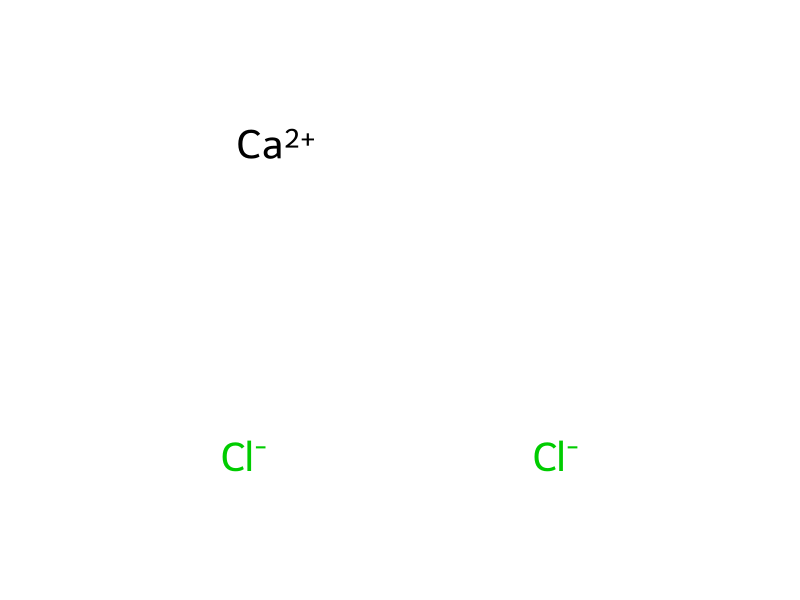
[CH2:1]([N:7]1[CH2:12][CH:11]2[CH:9]([C:10]2([C:16]2[CH:21]=[CH:20][CH:19]=[C:18]([N+:22]([O-])=O)[CH:17]=2)[CH2:13][CH2:14][CH3:15])[CH2:8]1)[CH2:2][CH2:3][CH2:4][CH2:5][CH3:6].C(O)C.[Cl-].[Ca+2].[Cl-]>O.[Fe]>[CH2:1]([N:7]1[CH2:12][CH:11]2[CH:9]([C:10]2([C:16]2[CH:17]=[C:18]([CH:19]=[CH:20][CH:21]=2)[NH2:22])[CH2:13][CH2:14][CH3:15])[CH2:8]1)[CH2:2][CH2:3][CH2:4][CH2:5][CH3:6]Participants
6




Procedure
To a stirred suspension of 3-hexyl-6-(3-nitrophenyl)-6-propyl-3-azabicyclo[3.1.0]hexane (Preparation 65, 2.60 g, 7.2 mmol), ethanol (150 ml) and iron powder (0.41 g, 73.2 mmol) was added calcium chloride (1.5 g 13.0 nrmnol) in water (50 ml). The reaction mixture was heated under reflux for 16 h. The reaction mixture was cooled to room temperature, filtered through a pad of Celite®, and the mother liquors were concentrated in vacuo. The residue was dissolved in dichloromethane and filtered through a pad of sodium sulphate to give upon concentration the title compound as a yellow oil (2.17 g, 100%).
Workup
- temperatureThe reaction mixture was heated
- temperatureunder reflux for 16 h
- filtrationfiltered through a pad of Celite®
- concentrationthe mother liquors were concentrated in vacuo
- dissolutionThe residue was dissolved in dichloromethane
- filtrationfiltered through a pad of sodium sulphate
Sources & evidence
- ORD record
- ord-3ad61ebffaba4eb49c8b446b1dfa7cbc
- Source dataset
- uspto-grants-2001_11
- Patent number
- US06313312B1
Reaction notes
Loading…