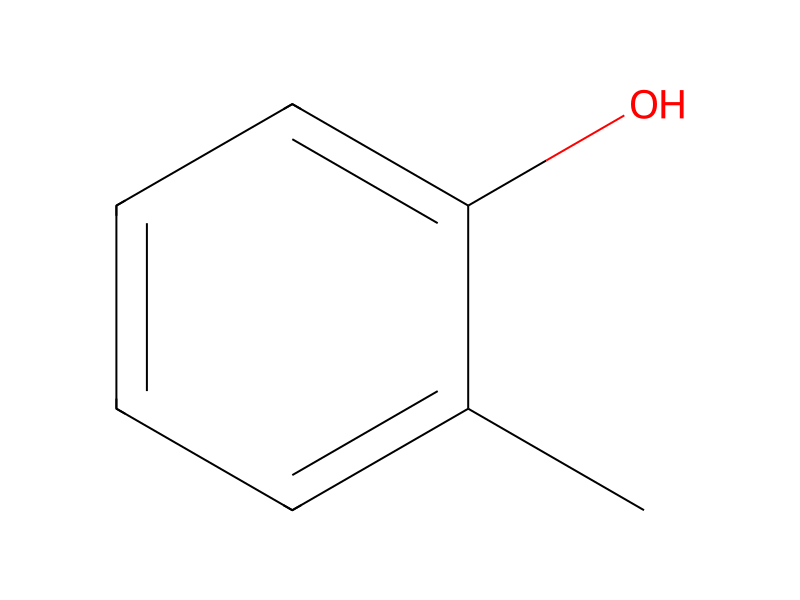
O-Cresol → HCID 57168616, compound
Reaction equation

[C:1]1([CH3:8])[C:6]([OH:7])=[CH:5][CH:4]=[CH:3][CH:2]=1.C(=O)([O-])[O-].[K+].[K+].[CH3:15][O:16][C:17](=[O:32])[CH:18]=[N:19][O:20][CH2:21][C:22]1[CH2:27][C:26]([CH3:28])=[C:25]([CH3:29])[CH2:24][C:23]=1[CH2:30]Cl>>[CH3:15][O:16][C:17](=[O:32])[CH:18]=[N:19][O:20][CH2:21][C:22]1[CH2:27][C:26]([CH3:28])=[C:25]([CH3:29])[CH2:24][C:23]=1[CH2:30][O:7][C:6]1[CH:5]=[CH:4][CH:3]=[CH:2][C:1]=1[CH3:8]Participants
4



Procedure
20 g of o-cresol and 40 g of potassium carbonate are added to a solution of 27.5 g of methyl(2-chloromethyl-4,5-dimethylcyclohexa-1,4-dienyl)methoxyiminoacetate. The mixture is now heated for 14 hours at 65°, cooled to room temperature and filtered with suction, and the filtrate is evaporated. The residue is taken up in 150 ml of ethyl acetate, the mixture is washed with potassium carbonate solution and filtered with suction, and the filtrate is evaporated. In this manner, 34 g of the title compound are obtained as a pale brown oil.
Workup
- temperatureThe mixture is now heated for 14 hours at 65°
- filtrationfiltered with suction
- customthe filtrate is evaporated
- washthe mixture is washed with potassium carbonate solution
- filtrationfiltered with suction
- customthe filtrate is evaporated
Sources & evidence
- ORD record
- ord-15d2137e991748a7ad50057817467ec7
- Source dataset
- uspto-grants-2001_11
- Patent number
- US06316389B1
Reaction notes
Loading…