Ammonia → N-trimethylsilylbenzamide
Reaction equation

[CH3:1][Si:2]([CH3:9])([CH3:8])[NH:3][Si](C)(C)C.[C:10](N)(=[O:17])[C:11]1[CH:16]=[CH:15][CH:14]=[CH:13][CH:12]=1.N.OS(O)(=O)=O>S1(C2C(=CC=CC=2)C(=O)N1)(=O)=O.O.C1(C)C=CC=CC=1>[CH3:1][Si:2]([CH3:9])([CH3:8])[NH:3][C:10](=[O:17])[C:11]1[CH:16]=[CH:15][CH:14]=[CH:13][CH:12]=1Participants
8
Reactant 4


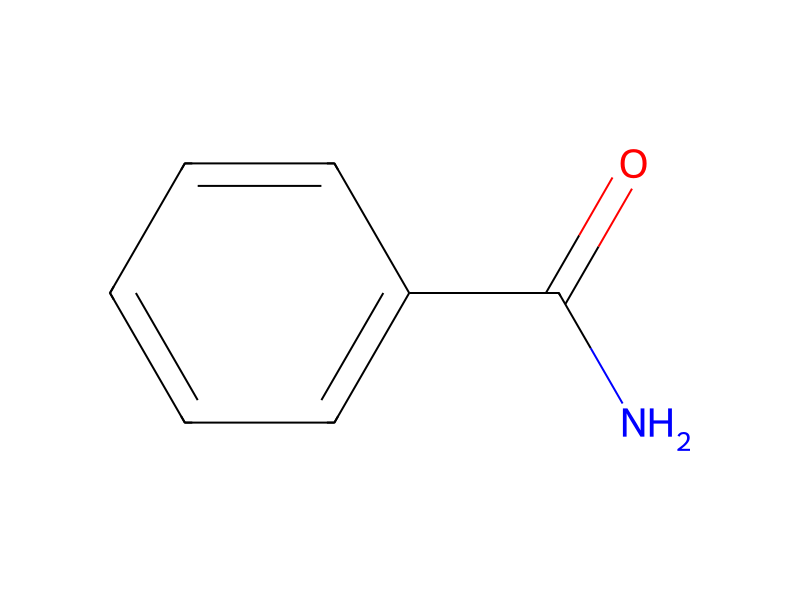

Product 1

Reagents, catalysts & solvents 3
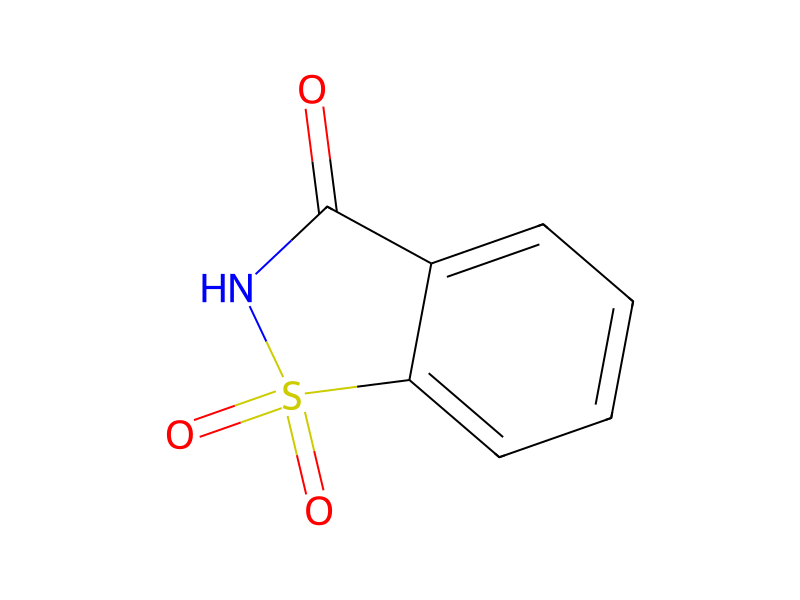


Procedure
6.4 ml of hexamethyldisilazane (31 mmoles) were added to a refluxing mixture of 15 ml of toluene, 40 mg of saccharin (0.22 mmole) and 5.0 g of benzamide (41.3 mmoles) and the ammonia liberated was led into water by a stream of nitrogen passed over the reaction mixture. Titration with 1 N H2SO4 revealed that the calculated amount of ammonia was evolved in 15 minutes and solvent and excess hexamethyldisilazane were evaporated in vacuo to obtain 8.04 g (101%) of N-trimethylsilylbenzamide melting at 111°-115° C. The experiment was repeated without the addition of saccharin and it was found that 82% of the theoretical amount of ammonia was evolved in 15 minutes and 88% of it in 50 minutes.
Workup
- customsolvent and excess hexamethyldisilazane were evaporated in vacuo
Sources & evidence
- ORD record
- ord-ea8f49b114504b15bef681dda99b5817
- Source dataset
- uspto-grants-1983_08
- Patent number
- US04400509
Reaction notes
Loading…