Hydrochloric Acid → 10-Chloro-10,11-dihydro-2-dimethylsulphamoyl-dibenzo[b,f]thiepin
Reaction equation

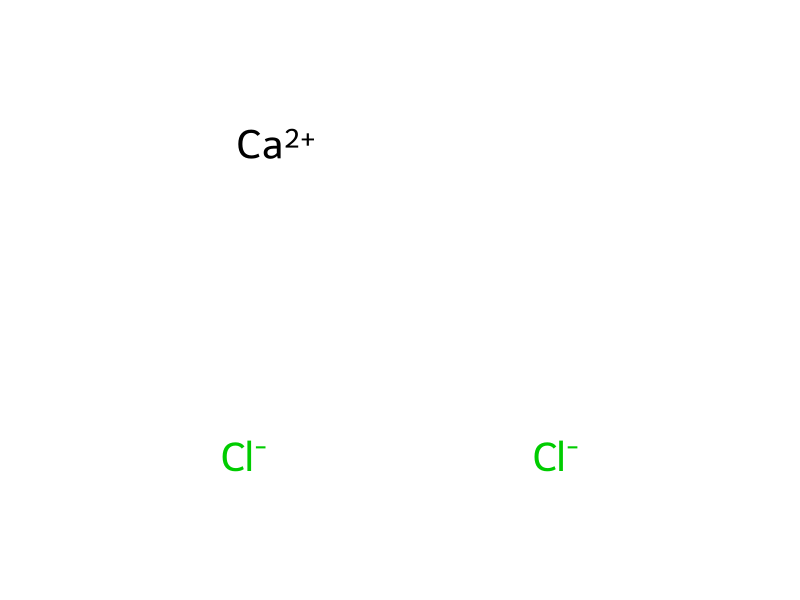
[ClH:1].[CH3:2][N:3]([CH3:23])[S:4]([C:7]1[CH:22]=[CH:21][C:10]2[S:11][C:12]3[CH:20]=[CH:19][CH:18]=[CH:17][C:13]=3[CH:14](O)[CH2:15][C:9]=2[CH:8]=1)(=[O:6])=[O:5].[Cl-].[Ca+2].[Cl-]>C1C=CC=CC=1>[Cl:1][CH:14]1[C:13]2[CH:17]=[CH:18][CH:19]=[CH:20][C:12]=2[S:11][C:10]2[CH:21]=[CH:22][C:7]([S:4](=[O:6])(=[O:5])[N:3]([CH3:23])[CH3:2])=[CH:8][C:9]=2[CH2:15]1Participants
5
Reactant 3


Product 1

Reagents, catalysts & solvents 1

Procedure
Hydrochloric acid gas is introduced at 10° C for 2 hours into a mixture of 12 g of 10,11-dihydro-2-dimethylsulphamoyl-dibenzo[b,f]thiepin-10-ol, 250 ml of benzene and 20 g of calcium chloride. The mixture is then left to stand at room temperature for 20 hours. The excess hydrochloric acid is driven off by the introduction of nitrogen. The mixture is filtered and evaporated under reduced pressure. 10-chloro-10,11-dihydro-2-dimethylsulphamoyl-dibenzo[b,f]thiepin is obtained.
Workup
- waitThe mixture is then left
- filtrationThe mixture is filtered
- customevaporated under reduced pressure
Sources & evidence
- ORD record
- ord-cca5d19679774d61aaa2a9be6f55b303
- Source dataset
- uspto-grants-1977_02
- Patent number
- US04006145
Reaction notes
Loading…