Acetic Acid → 4-Nitrobenzoic Acid
Reaction equation

[N+:1]([C:4]1[CH:9]=[CH:8]C(C)=[CH:6][CH:5]=1)([O-:3])=[O:2].[K+].[Br-].[C:13]([OH:16])(=[O:15])[CH3:14]>O.O.O.O.C([O-])(=O)C.[Co+2].C([O-])(=O)C>[N+:1]([C:4]1[CH:9]=[CH:8][C:14]([C:13]([OH:16])=[O:15])=[CH:6][CH:5]=1)([O-:3])=[O:2]Participants
5
Reactant 3


Product 1

Reagents, catalysts & solvents 1

Procedure
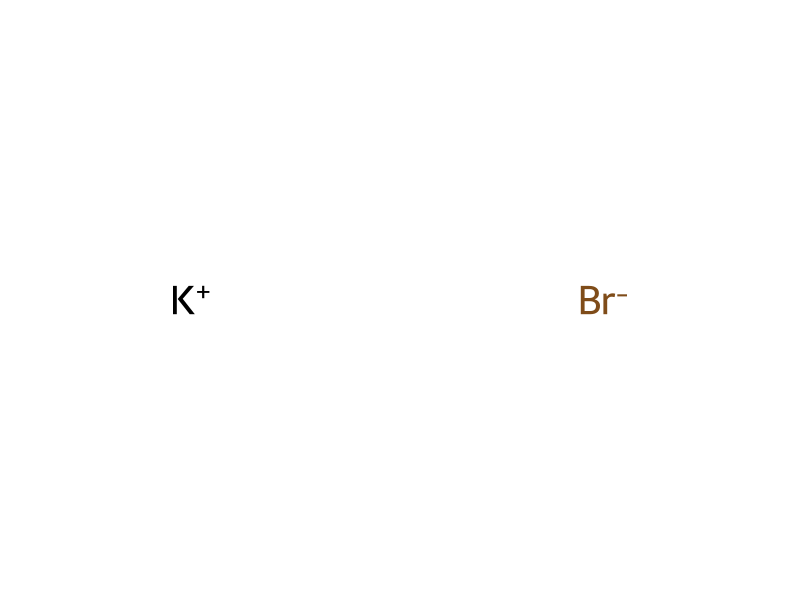
600 g of p-nitrotoluene were oxidized in 2700 ml of glacial acetic acid by the method described above, in the presence of 8 g of KBr and amounts of 5 g, 10 g, 15 g, 20 g, 30 g, 40 g and 50 g of cobalt(II) acetate tetrahydrate in Examples 1 to 7, respectively. The reaction temperature was increased to 180° to 200° C after the start-up temperature was reached, and then held constant until the absorption of oxygen had ceased. The start-up temperatures and yields of the p-nitrobenzoic acid identified by the infrared spectrum are to be found in Table I.
Workup
- temperatureThe reaction temperature was increased to 180° to 200° C after the start-up temperature
- customheld constant until the absorption of oxygen
Sources & evidence
- ORD record
- ord-3fb243d3ad8f4a9ea3d8c9289b55e9c9
- Source dataset
- uspto-grants-1977_02
- Patent number
- US04007223
Reaction notes
Loading…