Hydrochloric Acid → HCID 21455146, compound
Reaction equation

[H][H].[OH:3][CH2:4][CH2:5][C:6]1[C:7]([N+:15]([O-:17])=[O:16])=[C:8]([NH2:14])[CH:9]=[CH:10][C:11]=1[NH:12][CH3:13].C(=O)([O-])[O-].[Ca+2].[CH2:23]([OH:26])[CH2:24]Br.Cl>O>[OH:26][CH2:23][CH2:24][C:10]1[C:11]([NH:12][CH3:13])=[C:6]([CH2:5][CH2:4][OH:3])[C:7]([N+:15]([O-:17])=[O:16])=[C:8]([NH2:14])[CH:9]=1Participants






Procedure
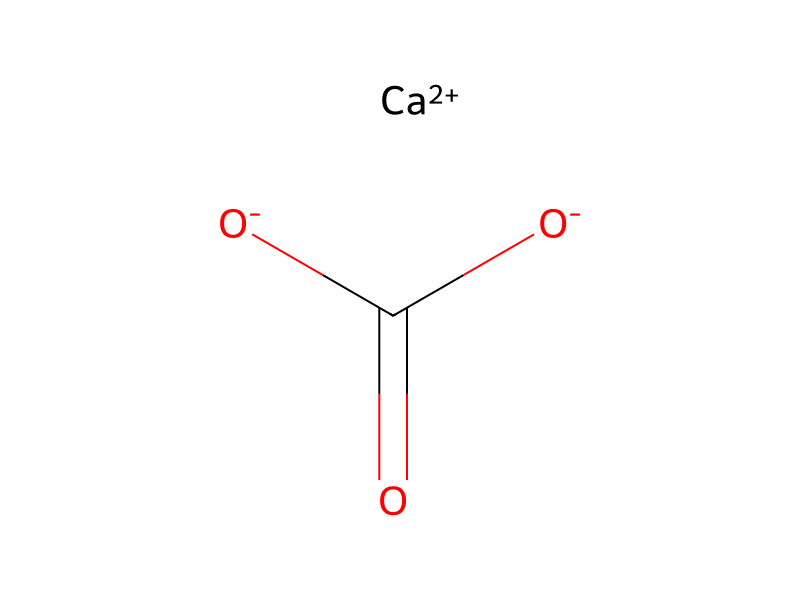
The substitution of a hydrogen of the amine function in the meta position of the nitro group is easily accomplished in the following manner. A mixture of 0.086 mols (18.1 g) of (2'-hydroxyethyl)-1-amino-2-nitro-4-methylamino benzene with 110 cm3 of water and 6.25 g of calcium carbonate is brought to reflux. 0.124 mols (8.75 cm3) of glycol bromohydrine is then introduced drop by drop, while stirring. Reflux is maintained for an hour and a half and then the reaction mixture is cooled and acidified with hydrochloric acid. The crystallized hydrochlorate is then dried, redissolved in water, and brought to an alkaline pH by adding ammonia. Drying yields 16 g of (2'-hyroxyethyl)-1-amino-2-nitro-(2'-hydroxyethyl)-4-methylamino benzene which melts at 99° C.
Workup
- temperatureto reflux
- temperatureReflux
- temperatureis maintained for an hour
- temperaturea half and then the reaction mixture is cooled
- customThe crystallized hydrochlorate is then dried
- dissolutionredissolved in water
- additionby adding ammonia
- customDrying
Sources & evidence
- ORD record
- ord-1a95557945a247a8b4b88cc4b58ee40c
- Source dataset
- uspto-grants-1977_02
- Patent number
- US04007228
Reaction notes
Loading…