Phenylhydrazine → HCID 54277863, compound
Reaction equation

[N:1]([C:9]([N:12]=[C:13]=[O:14])([CH3:11])[CH3:10])=[N:2][C:3]([N:6]=[C:7]=[O:8])([CH3:5])[CH3:4].[C:15]1([NH:21][NH2:22])[CH:20]=[CH:19][CH:18]=[CH:17][CH:16]=1>CCCCC>[N:1]([C:9]([NH:12][C:13]([N:21]([C:15]1[CH:20]=[CH:19][CH:18]=[CH:17][CH:16]=1)[NH2:22])=[O:14])([CH3:10])[CH3:11])=[N:2][C:3]([NH:6][C:7]([N:21]([C:15]1[CH:20]=[CH:19][CH:18]=[CH:17][CH:16]=1)[NH2:22])=[O:8])([CH3:5])[CH3:4]Participants
4
Reactant 2
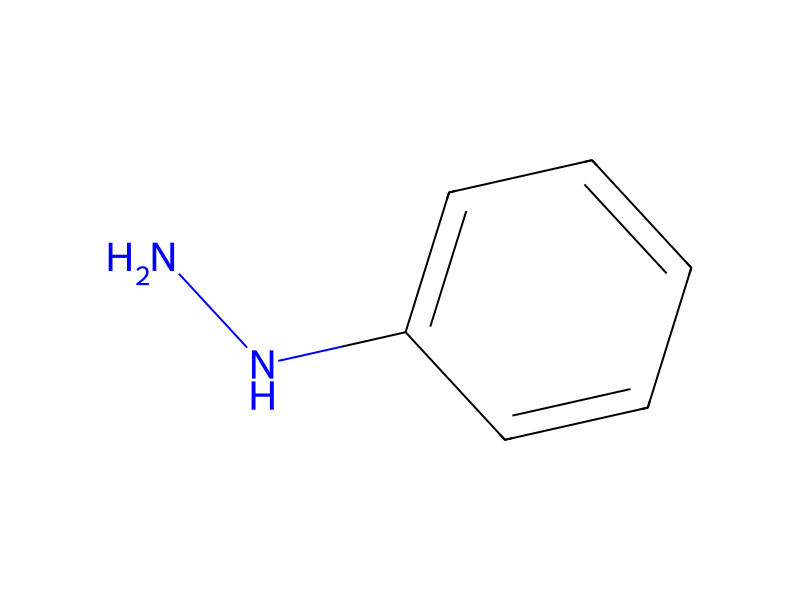

Product 1

Reagents, catalysts & solvents 1

Procedure
To a stirred solution of 4.0 grams (0.0204 moles) of 2,2'-azobis (2-isocyanato-propane) (from Example XXXIII) in 20 ml of pentane in a 50 ml erlenmeyer flask was added 4.42 grams (0.0408 moles) of phenylhydrazine and the reaction mixture stirred for 2 hours at room temperature. The solids that formed were filtered off, washed with a small amount of cold acetone and air dried. The tan powder weighed 4.5 grams (54% crude yield). The product melts at 159°-162° C. with decomposition. The infrared spectrum of the product is in agreement with the structure of the proposed compound (urea type carbonyl at 1670 cm-1 and NH bands at 3270 and 3400 cm-1).
Workup
- customThe solids that formed
- filtrationwere filtered off
- washwashed with a small amount of cold acetone and air
- customdried
Sources & evidence
- ORD record
- ord-3617c0f79aaf4010aa70b8c3be3cacf7
- Source dataset
- uspto-grants-1977_06
- Patent number
- US04028344
Reaction notes
Loading…