3,4-dihydro-2H-pyran → HCID 22408116, compound
Reaction equation

[Br:1][C:2]1[CH:9]=[CH:8][C:5]([CH2:6][OH:7])=[CH:4][C:3]=1[CH3:10].[O:11]1[CH:16]=[CH:15][CH2:14][CH2:13][CH2:12]1>C(Cl)Cl.C12(CS(O)(=O)=O)C(C)(C)C(CC1)CC2=O>[Br:1][C:2]1[CH:9]=[CH:8][C:5]([CH2:6][O:7][CH:12]2[CH2:13][CH2:14][CH2:15][CH2:16][O:11]2)=[CH:4][C:3]=1[CH3:10]Participants
5



Procedure
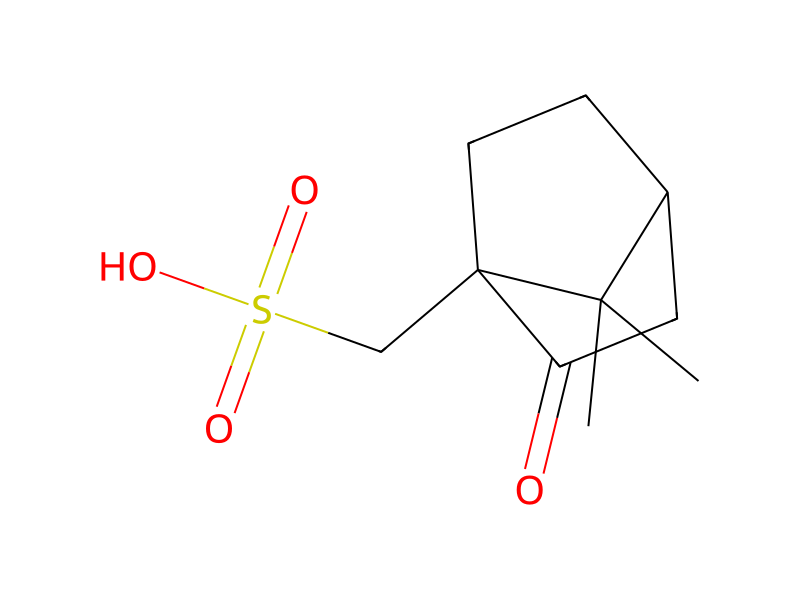
4-bromo-3-methylbenzyl alcohol (2 g, 0.01 mol) was dissolved in methylene chloride (10 ml). Under ice-cooling, to the obtained solution was added 3,4-dihydropyran (1 ml, 0.011 mol) and 10-camphorsulfonic acid (120 mg, 0.5 millimol), and the mixture was stirred at room temperature for 1.5 hours. After diluting with methylene chloride, the mixture was washed with saturated aqueous sodium hydrogencarbonate solution, water and saturated aqueous sodium chloride solution. After drying over anhydrous sodium sulfate, the solvent was distilled away, and the residue was separated and purified by using a silica-gel column chromatography (ethyl acetatee:n-hexane=1:3) to give the title compound (2.8 g, 0.01 mol).
Workup
- temperatureUnder ice-cooling, to the obtained solution
- washthe mixture was washed with saturated aqueous sodium hydrogencarbonate solution, water and saturated aqueous sodium chloride solution
- dry with materialAfter drying over anhydrous sodium sulfate
- distillationthe solvent was distilled away
- customthe residue was separated
- custompurified
Sources & evidence
- ORD record
- ord-523a5183a6b4452e830f81ff6dd9b353
- Source dataset
- uspto-grants-1996_05
- Patent number
- US05516777
Reaction notes
Loading…