Ethylene Glycol → 2-(4-Bromophenyl)-1,3-dioxolane
Reaction equation

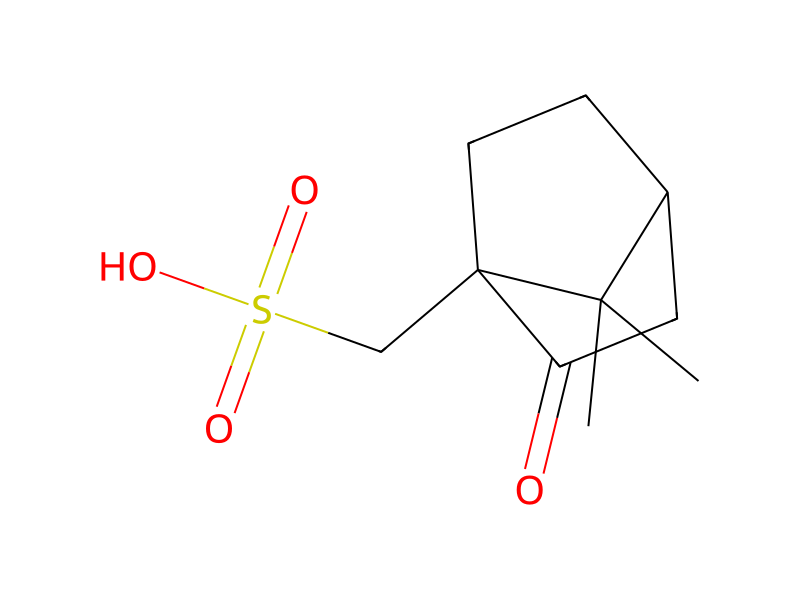
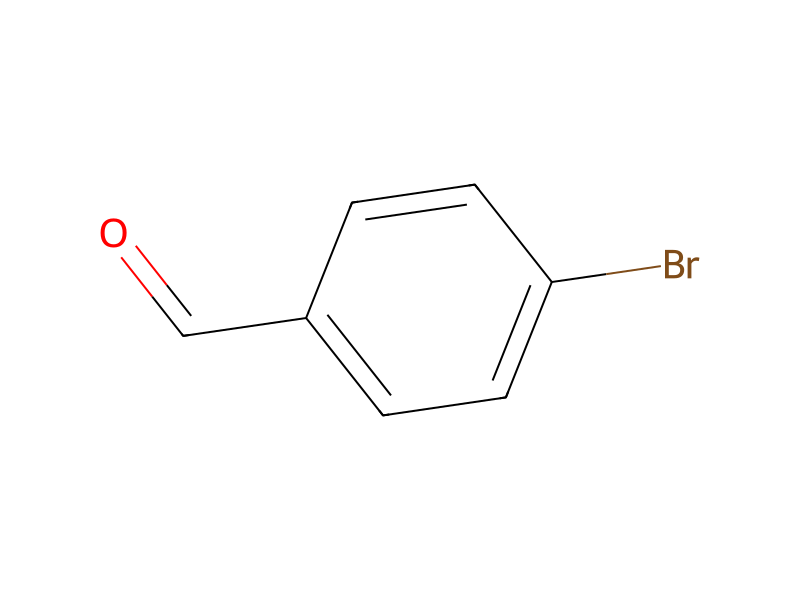
[Br:1][C:2]1[CH:9]=[CH:8][C:5]([CH:6]=[O:7])=[CH:4][CH:3]=1.[CH2:10](O)[CH2:11][OH:12].C12(CS(O)(=O)=O)C(C)(C)C(CC1)CC2=O.O>C1C=CC=CC=1>[CH2:11]1[O:12][CH:6]([C:5]2[CH:8]=[CH:9][C:2]([Br:1])=[CH:3][CH:4]=2)[O:7][CH2:10]1Participants
6




Procedure
To a solution of 4-bromobenzaldehyde (102 g, 0.55 mol) and ethylene glycol (100 g, 1.65 mol) in benzene (1 l) were added a small amount of 10-camphorsulfonic acid, and the mixture was refluxed for 3 hours, while water was removed with Dean-Stark. After allowing to cool, saturated sodium hydrogencarbonate solution was added, and the mixture was extracted with ethyl acetate. The organic layer was washed with water, dried over anhydrous sodium sulfate, and the solvent was distilled to give the title compound (126 g, 0.55 mol, 100%).
Workup
- customwas removed with Dean-Stark
- temperatureto cool
- additionsaturated sodium hydrogencarbonate solution was added
- extractionthe mixture was extracted with ethyl acetate
- washThe organic layer was washed with water
- dry with materialdried over anhydrous sodium sulfate
- distillationthe solvent was distilled
Sources & evidence
- ORD record
- ord-c3100e4ab8a74764a1978c3a4774c7b1
- Source dataset
- uspto-grants-1996_05
- Patent number
- US05516777
Reaction notes
Loading…