Hydrochloric Acid → Methyl 3-(4-chlorobenzylidene)-1-methyl-2-oxocylopentanecarboxylate
Reaction equation

[OH-].[Na+].[CH3:3][C:4]1([C:10]([O:12][CH3:13])=[O:11])[CH2:8][CH2:7][CH2:6][C:5]1=[O:9].[Cl:14][C:15]1[CH:22]=[CH:21][C:18]([CH:19]=O)=[CH:17][CH:16]=1.Cl>O.CO>[Cl:14][C:15]1[CH:22]=[CH:21][C:18]([CH:19]=[C:6]2[CH2:7][CH2:8][C:4]([CH3:3])([C:10]([O:12][CH3:13])=[O:11])[C:5]2=[O:9])=[CH:17][CH:16]=1Participants
7
Reactant 4

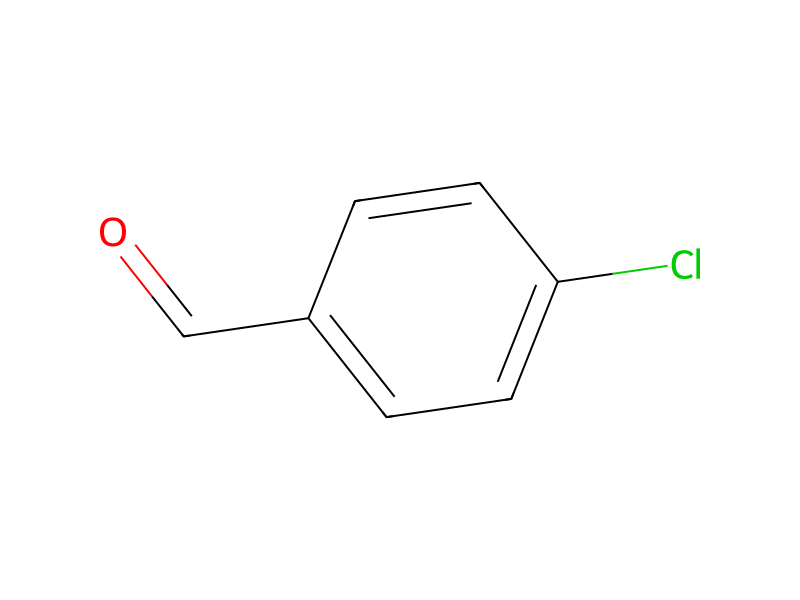


Product 1

Reagents, catalysts & solvents 2


Procedure
To a solution of 3.4 g of sodium hydroxide in 770 ml of water were added 15 g of methyl 1-methyl-2-oxocylopentanecarboxylate (prepared in Reference Example 1 hereinafter) and a solution of 13.5 g of 4-chlorobenzaldehyde in 800 ml of methanol, and the mixture was stirred for 5 hours at room temperature. The reaction mixture was neutralized with diluted hydrochloric acid and the solvent was evaporated under reduced pressure. The residue was extracted with ethyl acetate. The organic layer was washed with water and dried. Ethyl acetate was evaporated under reduced pressure to obtain 25 g of an oily matter.
Workup
- customthe solvent was evaporated under reduced pressure
- extractionThe residue was extracted with ethyl acetate
- washThe organic layer was washed with water
- customdried
- customEthyl acetate was evaporated under reduced pressure
- customto obtain 25 g of an oily matter
Sources & evidence
- ORD record
- ord-c761f163fbaf469d9b12f80f4750cf53
- Source dataset
- uspto-grants-1996_05
- Patent number
- US05519160
Reaction notes
Loading…