Acetone → HCID 178443683, compound
Reaction equation

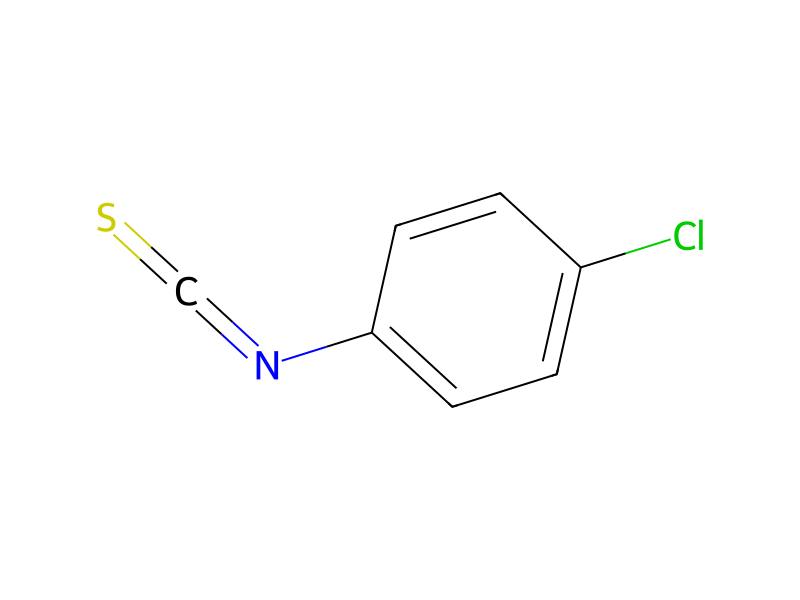
[Na].CC(C)=O.Cl.[C:7]([NH2:16])(=[NH:15])[CH2:8][CH2:9][CH2:10][CH2:11][CH2:12][CH2:13][CH3:14].[Cl:17][C:18]1[CH:23]=[CH:22][C:21]([N:24]=[C:25]=[S:26])=[CH:20][CH:19]=1>C1C=CC=CC=1.CCCCC>[Cl:17][C:18]1[CH:23]=[CH:22][C:21]([NH:24][C:25]([NH:15][C:7](=[NH:16])[CH2:8][CH2:9][CH2:10][CH2:11][CH2:12][CH2:13][CH3:14])=[S:26])=[CH:20][CH:19]=1Participants
6
Reactant 4



Product 1

Reagents, catalysts & solvents 1

Procedure
Following a procedure similar to that described in Example 1 but using 2 g. sodium in 250 ml. dry acetone, 15.7 g. octanamidine hydrochloride, and 15 g. 4-chlorophenyl isothiocyanate in 70 ml. dry acetone there was obtained 1-(4-chlorophenyl)-3-(octanimidoyl)-2-thiourea, m.p. 98°-99° C. (from benzene-n-pentane); hydrochloride (18.7 g.), m.p. 155°-157° C. (from acetonitrile).
Sources & evidence
- ORD record
- ord-68df49fa644d4428afa0ba6b2515fce2
- Source dataset
- uspto-grants-1977_08
- Patent number
- US04039575
Reaction notes
Loading…