Dimethylformamide → 2-Hydroxy-N,N-dimethyl-N-octylcyclohexan-1-aminium bromide
Reaction equation

[CH3:1][N:2]([CH3:10])[CH:3]1[CH2:8][CH2:7][CH2:6][CH2:5][CH:4]1[OH:9].[Br:11][CH2:12][CH2:13][CH2:14][CH2:15][CH2:16][CH2:17][CH2:18][CH3:19].CN(C)C=O>CC1C=CC(C)=CC=1>[Br-:11].[OH:9][CH:4]1[CH2:5][CH2:6][CH2:7][CH2:8][CH:3]1[N+:2]([CH3:10])([CH3:1])[CH2:12][CH2:13][CH2:14][CH2:15][CH2:16][CH2:17][CH2:18][CH3:19]Participants
5
Reactant 3

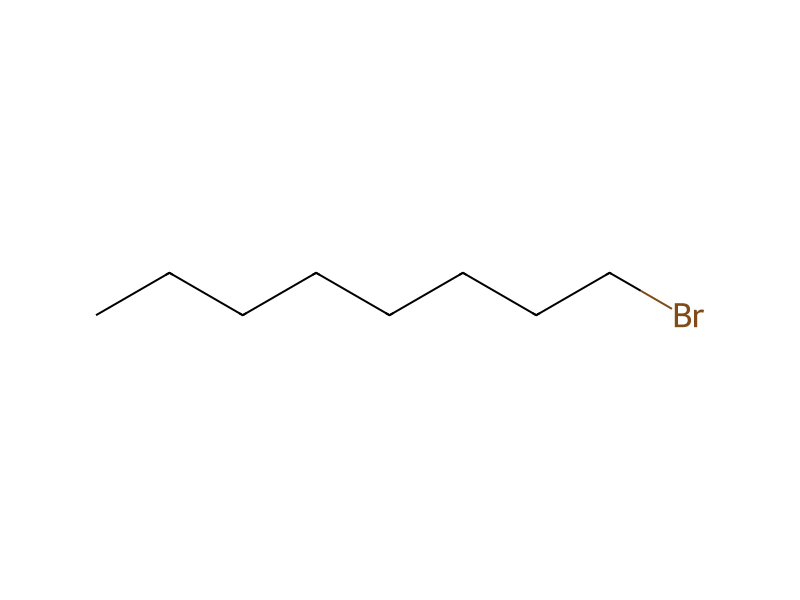

Product 1

Reagents, catalysts & solvents 1

Procedure
A solution comprising 5 g of 2-dimethylamino-1-cyclohexanol, 10 g of 1-bromooctane and 5 ml of dimethylformamide was heated in a glass pressure bottle at about 95° for 16 hours. p-Xylene (25 ml) was added and the solution was concentrated at 60° using a film evaporator to remove dimethylformamide as its azeotrope with xylene. A second 25 ml portion of p-xylene was added and the azeotrope distilled until the residue was free of volatile material. This residue was dissolved in water, and the aqueous solution was extracted five times with diethyl ether. The aqueous solution was then concentrated under reduced pressure to give (2-hydroxycyclohexyl)(dimethyl)octylammonium bromide, a clear amorphous gum.
Workup
- temperaturewas heated in a glass pressure bottle at about 95° for 16 hours
- concentrationthe solution was concentrated at 60°
- customa film evaporator
- customto remove dimethylformamide as its azeotrope with xylene
- additionA second 25 ml portion of p-xylene was added
- distillationthe azeotrope distilled until the residue
- dissolutionThis residue was dissolved in water
- extractionthe aqueous solution was extracted five times with diethyl ether
- concentrationThe aqueous solution was then concentrated under reduced pressure
Sources & evidence
- ORD record
- ord-b9693709d82a4860987f2c6986d28f01
- Source dataset
- uspto-grants-1977_08
- Patent number
- US04040813
Reaction notes
Loading…