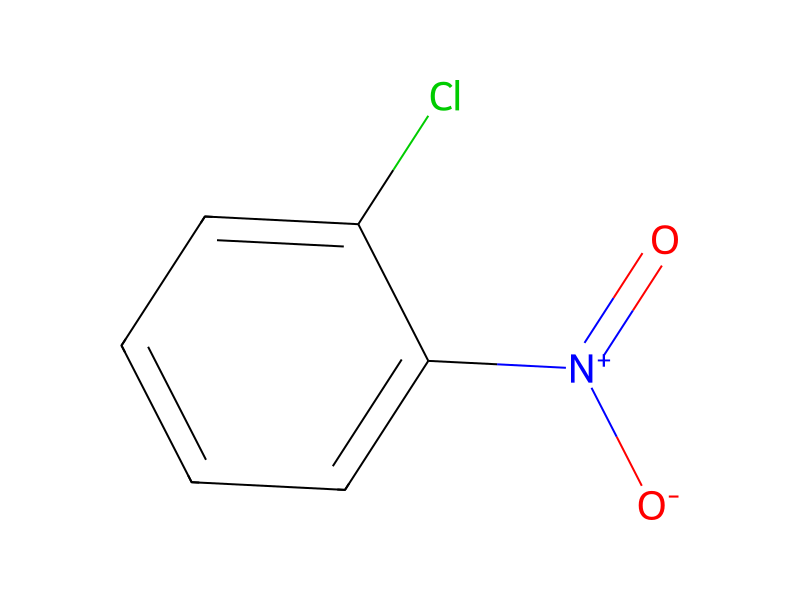
1-Chloro-2-nitrobenzene → HCID 21414420, compound
Reaction equation

[CH3:1][N:2]1[CH2:7][CH2:6][CH:5]([C:8]([C:10]2[CH:15]=[C:14]([F:16])[CH:13]=[CH:12][C:11]=2[NH2:17])=[O:9])[CH2:4][CH2:3]1.Cl[C:19]1[CH:24]=[CH:23][CH:22]=[CH:21][C:20]=1[N+:25]([O-:27])=[O:26]>>[CH3:1][N:2]1[CH2:3][CH2:4][CH:5]([C:8]([C:10]2[CH:15]=[C:14]([F:16])[CH:13]=[CH:12][C:11]=2[NH:17][C:19]2[CH:24]=[CH:23][CH:22]=[CH:21][C:20]=2[N+:25]([O-:27])=[O:26])=[O:9])[CH2:6][CH2:7]1Participants
3


Procedure
By analogous procedures as in Examples 6 and 10, using the corresponding starting materials, 2-amino-5-fluorophenyl 1-methyl-4-piperidyl ketone is prepared and reacted with o-chloronitrobenzene to give 5-fluoro-2-(o-nitroanilino)-phenyl 1-methyl-4-piperidyl ketone. This intermediate is then reduced and cyclized in the presence of an acidic catalyst to give 2-fluoro-11-(1-methyl-4-piperidyl)-5H-dibenzo-[b,e][1,4]diazepine.
Workup
- customis prepared
Sources & evidence
- ORD record
- ord-4c478406c3d04414b884b28888bf5a9f
- Source dataset
- uspto-grants-1977_08
- Patent number
- US04045445
Reaction notes
Loading…