Hydrochloric Acid → HCID 44816597, compound
Reaction equation

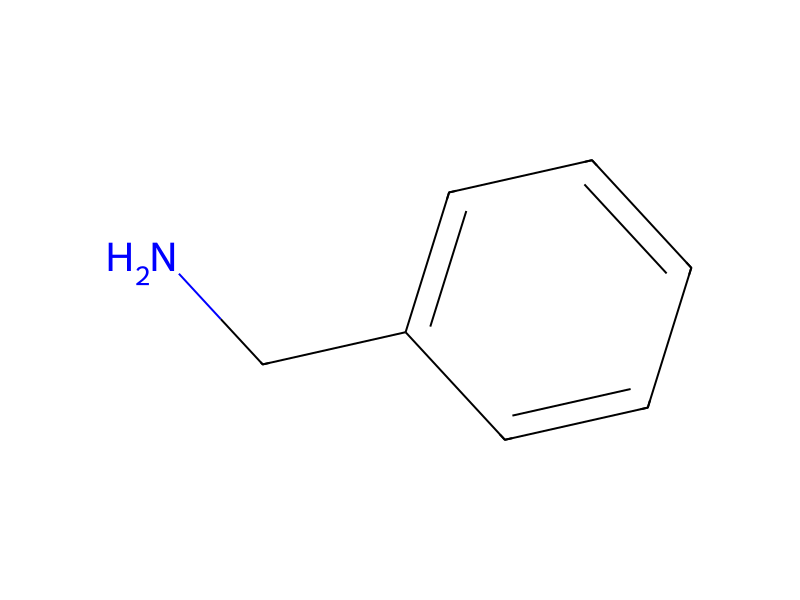
[CH2:1]([O:3][C:4]([C:6]1([C:13](=[O:15])[CH3:14])[CH2:11][CH2:10][C:9](=O)[CH2:8][CH2:7]1)=[O:5])[CH3:2].[CH2:16]([NH2:23])[C:17]1[CH:22]=[CH:21][CH:20]=[CH:19][CH:18]=1.O.C1(C)C=CC(S(O)(=O)=O)=CC=1.Cl.[OH-].[Na+]>C1(C)C=CC=CC=1>[CH2:1]([O:3][C:4]([C:6]12[CH2:11][CH2:10][C:9]([NH:23][CH2:16][C:17]3[CH:22]=[CH:21][CH:20]=[CH:19][CH:18]=3)([CH2:8][CH2:7]1)[CH2:14][C:13]2=[O:15])=[O:5])[CH3:2]Participants





Procedure
Toluene (130 mL) was added to 1-acetyl-4-oxocyclohexyl carboxylic acid ethyl ester (12.9 g, 60.6 mmol) and then the resulting mixture was stirred. To the mixture, there were added benzylamine (13.3 mL, 121 mmol) and p-toluenesulfonic acid monohydrate (124 mg, 0.65 mmol). The mixture was refluxed for 7 hours with a Dean-Stark apparatus under the dehydration conditions. After cooled back to room temperature, a 1 mol/L hydrochloric acid solution (130 mL) was added to the flask and the resulting mixture was then stirred for 0.5 hours. The mixture was made alkali by the use of a 2 mol/L sodium hydroxide aqueous solution, followed by the separation of the organic phase and the subsequent quantitative analysis (according to the LC technique). As a result, the yield of the desired product was found to be 75% (the internal standard substance used was 1,2,4-trimethyl benzene).
Workup
- temperatureThe mixture was refluxed for 7 hours with a Dean-Stark apparatus under the dehydration conditions
- stirringthe resulting mixture was then stirred for 0.5 hours
- customfollowed by the separation of the organic phase
Sources & evidence
- ORD record
- ord-4aad2d450bc8461085b8b0cf9dd314c9
- Source dataset
- uspto-grants-2013_07
- Patent number
- US08476470B2
Reaction notes
Loading…