4-Hydroxybenzyl Alcohol → HCID 59478957, compound
Reaction equation

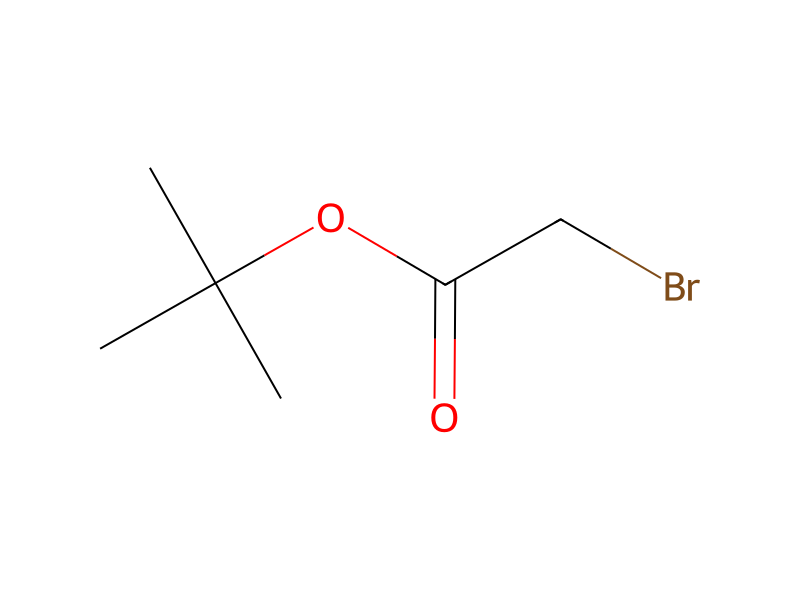
O[CH2:2][C:3]1[CH:8]=[CH:7][C:6]([OH:9])=[CH:5][CH:4]=1.Br[CH2:11][C:12]([O:14][C:15]([CH3:18])([CH3:17])[CH3:16])=[O:13].C(=O)([O-])[O-].[K+].[K+].[N-:25]=[N+:26]=[N-:27].[Na+]>O.CN(C=O)C>[C:15]([O:14][C:12](=[O:13])[CH2:11][O:9][C:6]1[CH:7]=[CH:8][C:3]([CH2:2][N:25]=[N+:26]=[N-:27])=[CH:4][CH:5]=1)([CH3:18])([CH3:17])[CH3:16]Participants
Reactant 4



Product 1

Reagents, catalysts & solvents 2


Procedure
To a mixture of 2.97 g of 4-(hydroxymethyl)phenol, 4.90 g of tert-butyl bromoacetate, and 25 ml of DMF was added 4.96 g of potassium carbonate at room temperature, followed by stirring for 12 hours. To the reaction solution was added water, followed by extraction with ethyl acetate. The organic layer was washed with water and saturated brine, and dried over anhydrous magnesium sulfate, and the solvent was then evaporated. The residue was purified by silica gel column chromatography (eluent: ethyl acetate-hexane) to obtain a pale yellow oily substance. This oily substance was subjected to methanesulfonylation in accordance with Production Example 15, and then reacted with sodium azide to obtain 4.03 g of tert-butyl[4-(azidomethyl)phenoxy]acetate as a pale yellow oily substance.
Workup
- extractionfollowed by extraction with ethyl acetate
- washThe organic layer was washed with water and saturated brine
- dry with materialdried over anhydrous magnesium sulfate
- customthe solvent was then evaporated
- customThe residue was purified by silica gel column chromatography (eluent: ethyl acetate-hexane)
- customto obtain a pale yellow oily substance
Sources & evidence
- ORD record
- ord-2d3e493ec6c04292bbb67fc574b44c89
- Source dataset
- uspto-grants-2013_07
- Patent number
- US08486970B2
Reaction notes
Loading…