Hydrochloric Acid → 3-Chloro-1H-indole-2-carboxylic acid
Reaction equation

[Cl:1][C:2]1[C:10]2[C:5](=[CH:6][CH:7]=[CH:8][CH:9]=2)[NH:4][C:3]=1[C:11]([O:13]CC)=[O:12].O[Li].O.Cl>C1COCC1.CO.O.O>[Cl:1][C:2]1[C:10]2[C:5](=[CH:6][CH:7]=[CH:8][CH:9]=2)[NH:4][C:3]=1[C:11]([OH:13])=[O:12]Participants
6





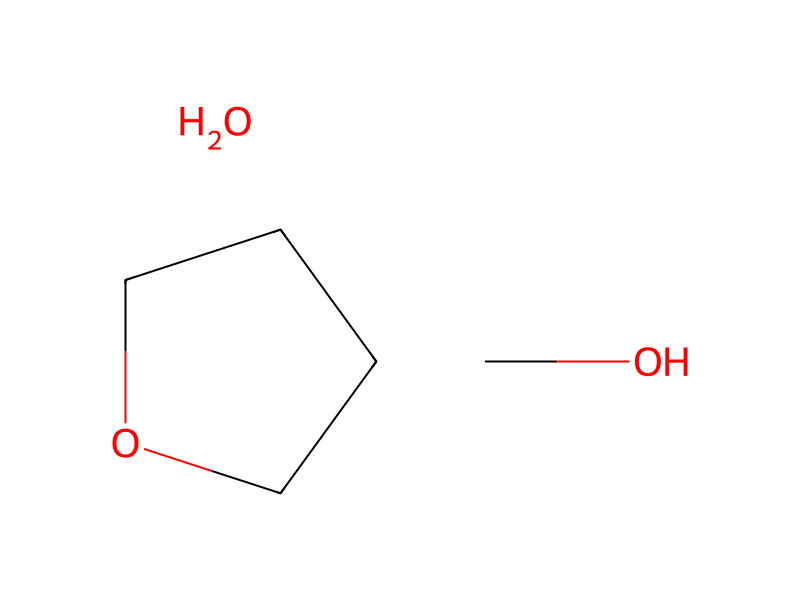
Conditions
- Temperature
- 25 °C
Procedure
Ethyl 3-chloro-1H-indole-2-carboxylate (19.28 mmol, 1.0 equiv.) was dissolved in THF-MeOH—H2O (2:1:1; 85 ml); LiOH.H2O (57.84 mmol, 3.0 equiv.) was added at 0° C. and the mixture was stirred for 12 h at 25° C. The solvent was reduced under reduced pressure, and the residue was taken up in water (50 ml), adjusted to pH 3 with 1 M HCl and extracted with ethyl acetate (2×100 ml). The combined organic phases were dried over Na2SO4 and concentrated under reduced pressure, and then the product was crystallized with hexane. Yield: 82%
Workup
- extractionextracted with ethyl acetate (2×100 ml)
- dry with materialThe combined organic phases were dried over Na2SO4
- concentrationconcentrated under reduced pressure
- customthe product was crystallized with hexane
Sources & evidence
- ORD record
- ord-b7377bdb5e90455587787a9da090b835
- Source dataset
- uspto-grants-2013_07
- Patent number
- US08492559B2
Reaction notes
Loading…