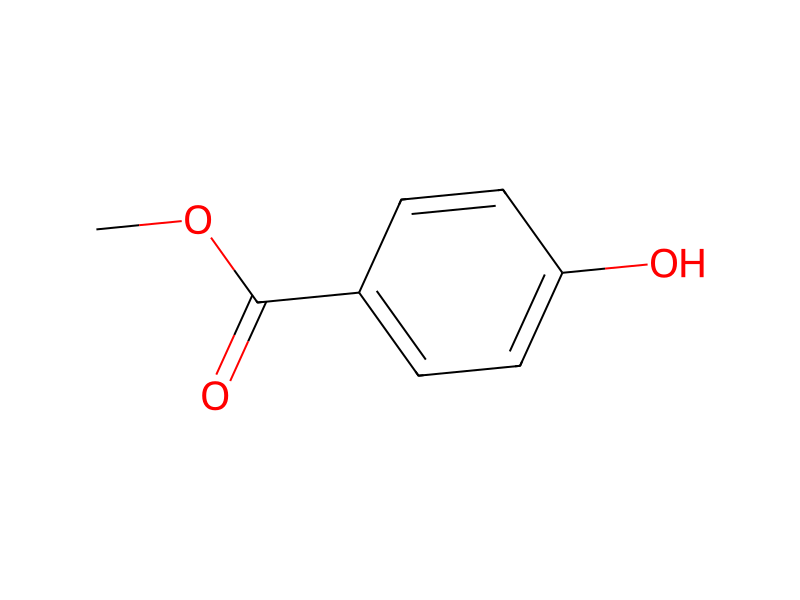
Methylparaben → N-[4-(3-Cyclopropylpropoxy)benzoyl]glycine
Reaction equation

[CH:1]1([CH2:4][CH2:5][O:6][C:7]2[CH:19]=[CH:18][C:10]([C:11]([NH:13][CH2:14][C:15]([OH:17])=[O:16])=[O:12])=[CH:9][CH:8]=2)[CH2:3][CH2:2]1.O[C:21]1C=CC(C(OC)=O)=CC=1.C1(CCCO)CC1>>[CH:3]1([CH2:1][CH2:4][CH2:5][O:6][C:7]2[CH:8]=[CH:9][C:10]([C:11]([NH:13][CH2:14][C:15]([OH:17])=[O:16])=[O:12])=[CH:18][CH:19]=2)[CH2:2][CH2:21]1Participants
4


Procedure
The same reactions as in Example 9 (9a) and (9b) were conducted using methyl 4-hydroxybenzoate (6.09 g, 40.0 mmol) and 3-cyclopropylpropan-1-ol (which is the compound disclosed in Helv. Chim. Acta, (2003), 86, 865-893, 4.41 g, 44.0 mmol) to give 5.74 g of the title compound (white powder, yield: 51%).
Sources & evidence
- ORD record
- ord-862128141eeb48d2b8b60ce32bb53b75
- Source dataset
- uspto-grants-2013_07
- Patent number
- US08497397B2
Reaction notes
Loading…