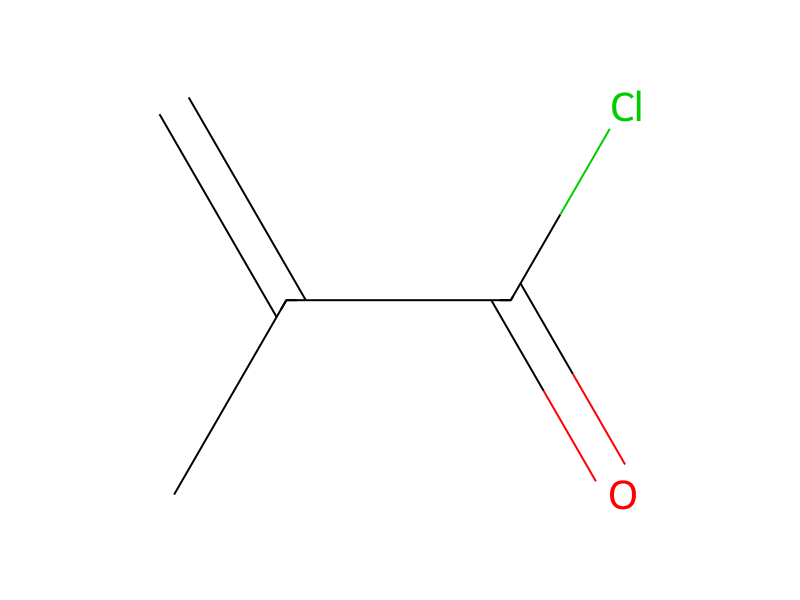
Methacryloyl chloride → HCID 21394033, compound
Reaction equation

[C:1]1([N:7]2[C:11](=[O:12])[CH:10]=[C:9]([NH2:13])[N:8]2[C:14]([O:16][CH2:17][CH3:18])=[O:15])[CH:6]=[CH:5][CH:4]=[CH:3][CH:2]=1.[Cl-].[Al+3].[Cl-].[Cl-].[C:23](Cl)(=[O:27])[C:24]([CH3:26])=[CH2:25]>[N+](C1C=CC=CC=1)([O-])=O.C(#N)C.O>[C:1]1([N:7]2[C:11](=[O:12])[CH:10]=[C:9]([NH:13][C:23](=[O:27])[C:24]([CH3:26])=[CH2:25])[N:8]2[C:14]([O:16][CH2:17][CH3:18])=[O:15])[CH:2]=[CH:3][CH:4]=[CH:5][CH:6]=1Participants
7





Procedure
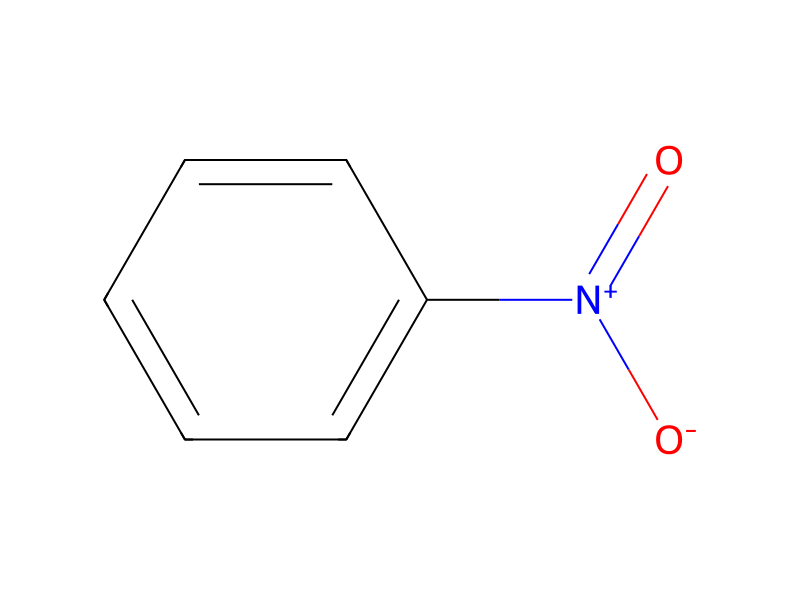
123.5 g (0.5 mole) of 1-phenyl-2-ethoxycarbonyl-3-amino-3-pyrazolin-5-one (compound 2) are dissolved at room temperature in a solution of 133.5 g (1 mole) of anhydrous aluminium chloride and 15 ml of nitrobenzene in 500 ml of acetonitrile. The resulting solution is mixed with 57.5 g (0.55 mole) of methacryloyl chloride and is then refluxed for 3 h. The reaction mixture is poured out in 1 l of water and the precipitate formed is separated. The product is recrystallized from benzene/hexane (1:1).
Workup
- temperatureis then refluxed for 3 h
- customthe precipitate formed
- customis separated
- customThe product is recrystallized from benzene/hexane (1:1)
Sources & evidence
- ORD record
- ord-81ff54e9bff14407936690fc8f519a68
- Source dataset
- uspto-grants-1977_12
- Patent number
- US04061498
Reaction notes
Loading…