Catechol → Catechol
Reaction equation

[C:1]1([C:3](=[CH:5][CH:6]=[CH:7][CH:8]=1)[OH:4])[OH:2]>C>[C:1]1([C:3](=[CH:5][CH:6]=[CH:7][CH:8]=1)[OH:4])[OH:2].[C:1]1([OH:2])[CH:3]=[CH:5][CH:6]=[CH:7][CH:8]=1Participants
4
Reactant 1

Product 2

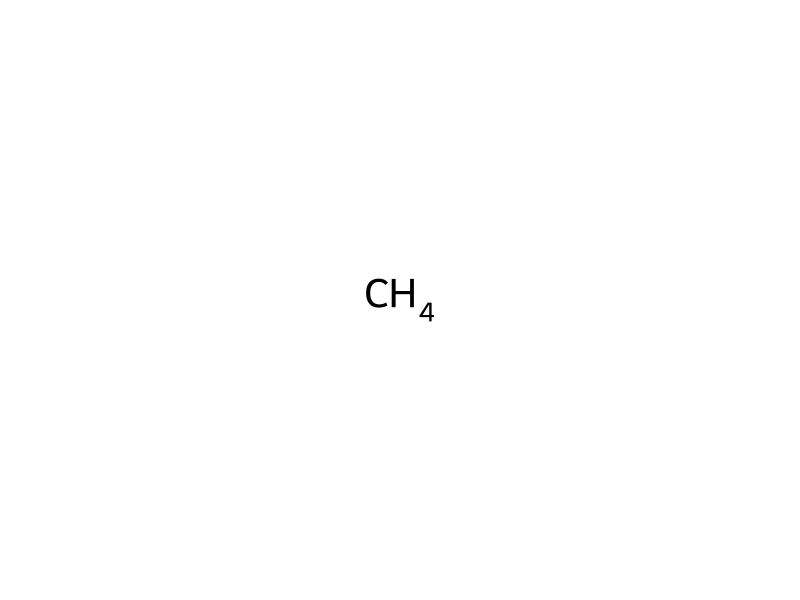
Reagents, catalysts & solvents 1
Procedure
Chem Abstracts 58: 5432f ("Coke Formation During High Temperature Hydrogenation on an Alumina-Molybdena Catalyst"); Abstract of article by Lozovoi et al. in Tr. Inst. Goryuch. Isokop., Akad, Nauk. SSSR 17, pp 23-45 (1962) (Discloses hydrogenation of catechol over a molybdenum oxide-alumina catalyst at very high temperatures [515° C]); 8. Chem Abstracts 62: 5120f ("High-Pressure Hydrogenation of Catechols in the Liquid Phase-Influence of the Quality of the Diluent and the Circulation of Products"); Abstract of article by Svajgl. Sb. Praci Vyzkumu Chem. Vyuzili Uhli. Dehtu Ropy, No. 2, pp 21-35 (1962) (Discloses hydrogenation of catechol using ferrous hydroxide on activated charcoal catalyst to yield phenol);
Workup
- customat very high temperatures [515° C]
Sources & evidence
- ORD record
- ord-b0566b1211bf4d16b31927a5b41a0a0a
- Source dataset
- uspto-grants-1977_12
- Patent number
- US04061686
Reaction notes
Loading…