Hydrochloric Acid → HCID 21390576, compound
Reaction equation

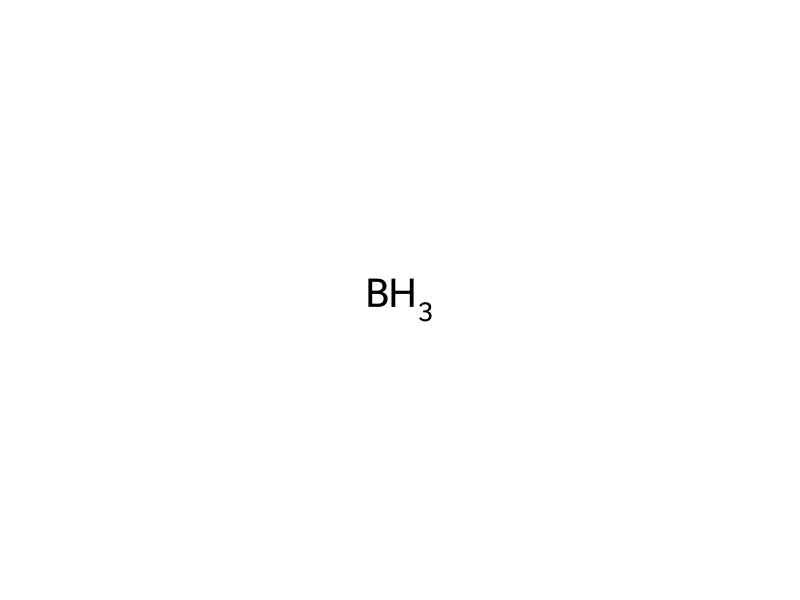
[CH3:1][CH:2]1[NH:8][C:7](=O)[CH2:6][C:5]2[CH:10]=[C:11]([CH3:15])[C:12]([CH3:14])=[CH:13][C:4]=2[CH2:3]1.B.[ClH:17]>O1CCCC1>[ClH:17].[CH3:1][CH:2]1[CH2:3][C:4]2[CH:13]=[C:12]([CH3:14])[C:11]([CH3:15])=[CH:10][C:5]=2[CH2:6][CH2:7][NH:8]1Participants
Reactant 3


Product 1

Reagents, catalysts & solvents 1

Procedure
A slurry of 3.7 g of the lactam (0.0182 moles) prepared in Example 12 in 20 ml of tetrahydrofuran was cooled to 0° and 40 ml of a 1M solution of borane in tetrahydrofuran gradually added. After five minutes at 0°-5°, almost all of the lactam had dissolved, whereupon the mixture was heated to boiling. The clear refluxing solution deposited some gelatinous material at the liquid-vapor interface after about fifteen minutes. Refluxing was continued for another three hours, then the mixture was cooled in an ice bath and the excess borane cautiously decomposed by the dropwise addition of 50 ml of 10 percent hydrochloric acid. The mixture was warmed on the steam bath to boil off the tetrahydrofuran and the cooled residual solution extracted with several portions of benzene to remove any non-basic material. After alkalizing to pH 11, the base was extracted with three 50-ml portions of benzene and one 50-ml portion of ether. The combined extracts were washed with water, dried (K2CO3), and the solvent distilled in the rotary evaporator. The base was then dissolved in 25 ml of ether and an excess of ethereal hydrogen chloride added. The solvent and excess acid were distilled in vacuo and the syrupy residue crystallized when rubbed under ethyl acetate. This crystalline hydrochloride, of the above named product melted at 219.5°-221°. It was recrystallized from a mixture of ethyl acetate and isopropanol and formed white crystals, m.p. 218°-219°.
Workup
- temperaturewas heated to boiling
- customafter about fifteen minutes
- temperatureRefluxing
- waitwas continued for another three hours
- temperaturethe mixture was cooled in an ice bath
- temperatureThe mixture was warmed on the steam bath
- extractionthe cooled residual solution extracted with several portions of benzene
- customto remove any non-basic material
- extractionthe base was extracted with three 50-ml portions of benzene and one 50-ml portion of ether
- washThe combined extracts were washed with water
- dry with materialdried (K2CO3)
- distillationthe solvent distilled in the rotary evaporator
- dissolutionThe base was then dissolved in 25 ml of ether
- additionan excess of ethereal hydrogen chloride added
- distillationThe solvent and excess acid were distilled in vacuo
- customthe syrupy residue crystallized when
- customIt was recrystallized from a mixture of ethyl acetate and isopropanol
- customformed white crystals, m.p. 218°-219°
Sources & evidence
- ORD record
- ord-c4511c91e5a544568d6155402b6cc2ac
- Source dataset
- uspto-grants-1977_12
- Patent number
- US04065473
Reaction notes
Loading…