Sodium Carbonate → HCID 13424155, compound
Reaction equation

[Br:1][CH2:2][C:3](Br)=[O:4].[NH2:6][C:7]1[C:8]([C:13]([C:15]2[CH:20]=[CH:19][CH:18]=[CH:17][CH:16]=2)=[O:14])=[N:9][O:10][C:11]=1[CH3:12].C(=O)([O-])[O-].[Na+].[Na+].C(=O)(O)[O-].[Na+]>ClCCl.O>[C:13]([C:8]1[C:7]([NH:6][C:3](=[O:4])[CH2:2][Br:1])=[C:11]([CH3:12])[O:10][N:9]=1)(=[O:14])[C:15]1[CH:16]=[CH:17][CH:18]=[CH:19][CH:20]=1Participants
7

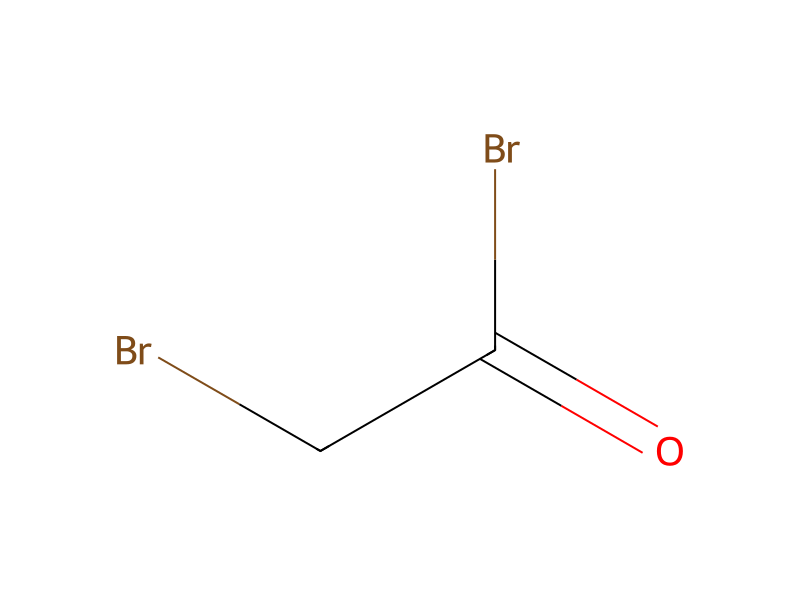





Procedure
Bromoacetylbromide (40 g, 0.2 mole) was added slowly to a mixture of 20 g (0.1 mole)(4-amino-5-methylisoxazol-3-yl)-phenylmethanone of Example Ib in 500 ml dichloromethane with 200 ml of 2N sodium carbonate and 500 ml saturated sodium bicarbonate at 5° C. After stirring for 30 minutes the mixture was diluted with 400 ml dichloromethane and 400 ml water. The organics were washed with water and brine and dried (magnesium sulfate). Concentration gave 32 g of an oil which was chromatographed on high pressure liquid chromatograph (HPLC) using dichloromethane as an eluent to yield 23 g (71%) of a solid, melting point 89°-92° C.
Workup
- washThe organics were washed with water and brine
- dry with materialdried (magnesium sulfate)
- concentrationConcentration
Sources & evidence
- ORD record
- ord-545e9e2ef297487fa52f1b7129b1409d
- Source dataset
- uspto-grants-1985_10
- Patent number
- US04544753
Reaction notes
Loading…