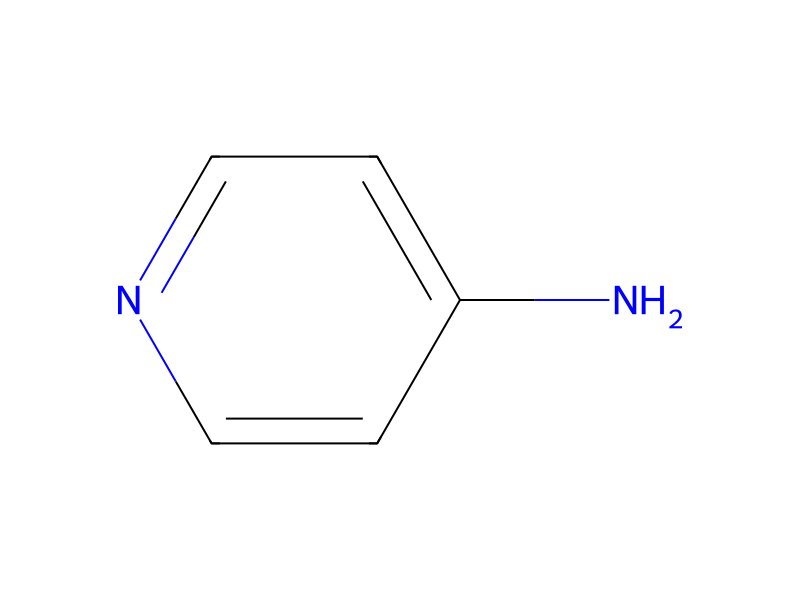
4-Aminopyridine → HCID 13534274, compound
Reaction equation

[O:1]=[C:2]1[N:9]2[C:5]([CH2:11][CH2:12][C:13]([OH:15])=O)([CH2:6][CH2:7][C:8]2=[O:10])[CH2:4][CH2:3]1.C1(N=C=NC2CCCCC2)CCCCC1.[NH2:31][C:32]1[CH:37]=[CH:36][N:35]=[CH:34][CH:33]=1>CN(C)C1C=CN=CC=1.C(Cl)Cl>[N:35]1[CH:36]=[CH:37][C:32]([NH:31][C:13](=[O:15])[CH2:12][CH2:11][C:5]23[CH2:6][CH2:7][C:8](=[O:10])[N:9]2[C:2](=[O:1])[CH2:3][CH2:4]3)=[CH:33][CH:34]=1Participants
6
Reactant 3


Product 1

Reagents, catalysts & solvents 2


Procedure
A suspension of 21.1 g of tetrahydro-3,5-dioxo-1H-pyrrolizine-7a(5H)-propanoic acid, 21.7 g of dicyclohexylcarbodiimide, and 100 mg of 4-dimethylaminopyridine (catalyst) in 100 ml of methylene chloride are treated with 9.4 g of 4-aminopyridine. The mixture is stirred for 16 hours and the by-product, N,N1 -dicyclohexylurea, is removed by filtration. The product is purified by chromatography over silica gel using 40% 2-propanol-methylene chloride for elution. After recrystallization from water, the product is isolated as a white solid with a melting point of 285°-287° C.
Workup
- customthe by-product, N,N1 -dicyclohexylurea, is removed by filtration
- customThe product is purified by chromatography over silica gel using 40% 2-propanol-methylene chloride for elution
- customAfter recrystallization from water
- customthe product is isolated as a white solid with a melting point of 285°-287° C.
Sources & evidence
- ORD record
- ord-bc4a6f3a3df44097a93afb4e6d0cc18d
- Source dataset
- uspto-grants-1985_10
- Patent number
- US04547519
Reaction notes
Loading…