1003-85-6 → 1,3,2-Dioxathiane, 5,5-dimethyl-, 2,2-dioxide
Reaction equation

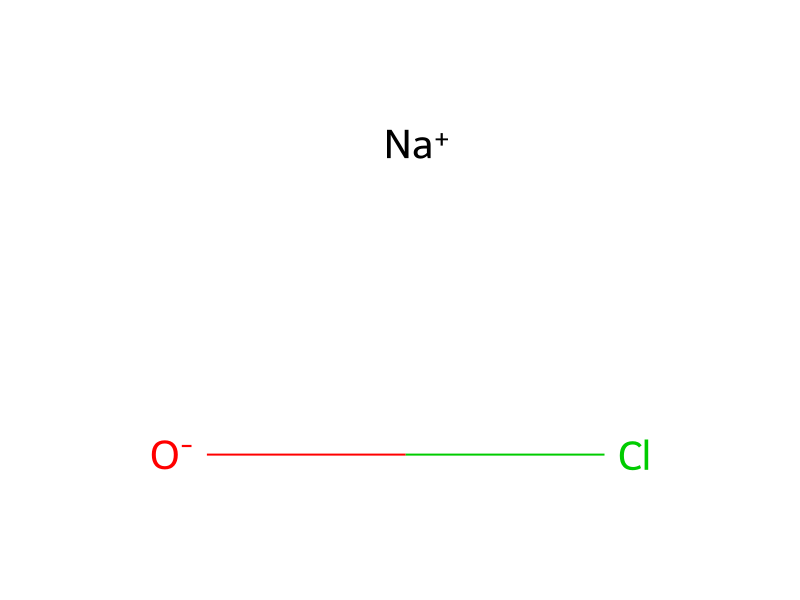
[CH3:1][C:2]1([CH3:9])[CH2:7][O:6][S:5](=[O:8])[O:4][CH2:3]1.Cl[O-:11].[Na+]>C(Cl)Cl.O.C(O)(C)C.[Ru](Cl)(Cl)Cl>[CH3:1][C:2]1([CH3:9])[CH2:7][O:6][S:5](=[O:11])(=[O:8])[O:4][CH2:3]1Participants





Conditions
- Temperature
- 30 °C
Procedure
10.0 g (0.064 mol) of 5,5-dimethyl-1,3,2-dioxathiane-2-oxide was introduced at 20° C. in 100 ml of methylene chloride and 50 ml of water in a 250 ml three-necked flask. 0.02 g of 90 percent ruthenium trichloride was added as a catalyst. 152.45 g (0.0727 mol) of sodium hypochlorite in water was added with stirring for 20 minutes, and the temperature increased to 30° C. The reaction mixture was stirred for five more hours and mixed with 10 drops of isopropanol; the yellow color faded and a black precipitate formed. The water phase was extracted twice with methylene chloride (50 ml), and the combined organic phases were extracted with NaHCO3 solution (100 ml), dried with Na2SO4 and concentrated by evaporation. The white crystalline product was dried overnight at room temperature at a pressure of 15 mbars and weighed 10.65 g, which corresponded to a yield of 99 percent, relative to the 5,5-dimethyl-1,3,2-dioxathiane-2-oxide used.
Workup
- stirringThe reaction mixture was stirred for five more hours
- customa black precipitate formed
- extractionThe water phase was extracted twice with methylene chloride (50 ml)
- extractionthe combined organic phases were extracted with NaHCO3 solution (100 ml)
- dry with materialdried with Na2SO4
- concentrationconcentrated by evaporation
- customThe white crystalline product was dried overnight at room temperature at a pressure of 15 mbars
Sources & evidence
- ORD record
- ord-f10428d713c24dd49343d12542011ce2
- Source dataset
- uspto-grants-1992_10
- Patent number
- US05159100
Reaction notes
Loading…