2-Bromopyridine → HCID 70116313, compound
Reaction equation

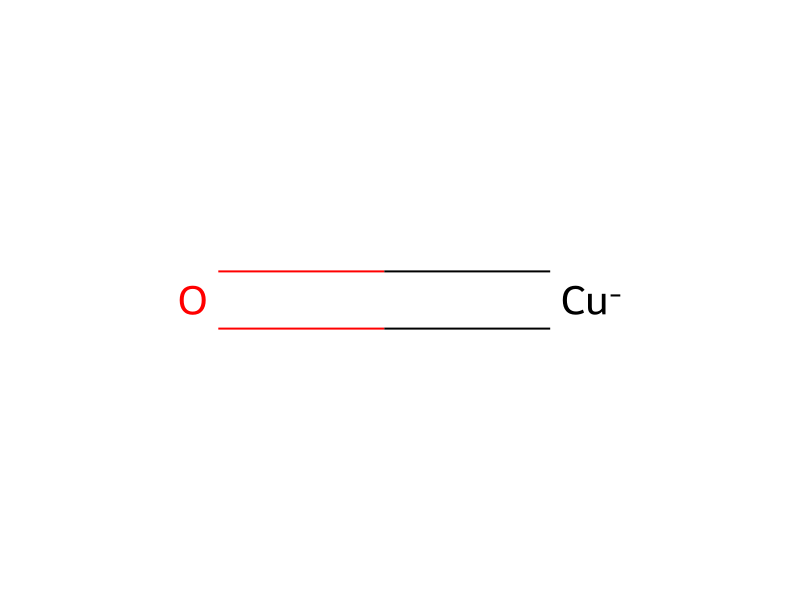
[CH3:1][N:2]([CH3:13])[C:3]([C:5]1[C:9]([N+:10]([O-:12])=[O:11])=[CH:8][NH:7][N:6]=1)=[O:4].Br[C:15]1[CH:20]=[CH:19][CH:18]=[CH:17][N:16]=1.C(=O)([O-])[O-].[Cs+].[Cs+]>CN(C=O)C.[Cu-]=O>[CH3:1][N:2]([CH3:13])[C:3]([C:5]1[C:9]([N+:10]([O-:12])=[O:11])=[CH:8][N:7]([C:15]2[CH:20]=[CH:19][CH:18]=[CH:17][N:16]=2)[N:6]=1)=[O:4]Participants
6
Reactant 3



Product 1

Reagents, catalysts & solvents 2

Conditions
- Temperature
- 110 °C
Procedure
A solution of 4-nitro-1H-pyrazole-3-carboxylic acid dimethylamide (250 mg, 1.36 mmol) in DMF (5 ml) was flushed with argon. 2-Bromopyridine (0.17 ml, 1.76 mmol), ferric acetylacetone (144 mg, 0.4 mmol), copper(I)oxide (20 mg, 0.14 mmol) and cesium carbonate (885 mg, 2.7 mmol) were added consecutively and the reaction mixture was stirred at 110° C. overnight. After cooling down, the reaction mixture was partitioned between ethyl acetate (30 ml) and water (15 ml) and extracted. The organic layer was washed with brine, dried and the solvent was evaporated. The product was obtained after purification by silica gel chromatography using a heptane/ethyl acetate gradient as light yellow solid (102 mg, 29%).
Workup
- temperatureAfter cooling down
- customthe reaction mixture was partitioned between ethyl acetate (30 ml) and water (15 ml)
- extractionextracted
- washThe organic layer was washed with brine
- customdried
- customthe solvent was evaporated
- customThe product was obtained
- customafter purification by silica gel chromatography
Sources & evidence
- ORD record
- ord-b6dab6091c514e179cf7fd99f781231f
- Source dataset
- uspto-grants-2014_01
- Patent number
- US08623866B2
Reaction notes
Loading…