Hydrochloric Acid → 3-(4-(Pyridin-2-ylamino)phenoxy)pyrazine-2-carboxylic acid
Reaction equation

[N:1]1[CH:6]=[CH:5][CH:4]=[CH:3][C:2]=1[NH:7][C:8]1[CH:24]=[CH:23][C:11]([O:12][C:13]2[C:14]([C:19]([O:21]C)=[O:20])=[N:15][CH:16]=[CH:17][N:18]=2)=[CH:10][CH:9]=1.[OH-].[Li+].Cl.[OH-].[Na+]>C(OCC)C.C1COCC1.CO.O>[N:1]1[CH:6]=[CH:5][CH:4]=[CH:3][C:2]=1[NH:7][C:8]1[CH:9]=[CH:10][C:11]([O:12][C:13]2[C:14]([C:19]([OH:21])=[O:20])=[N:15][CH:16]=[CH:17][N:18]=2)=[CH:23][CH:24]=1Participants
7
Reactant 4




Product 1

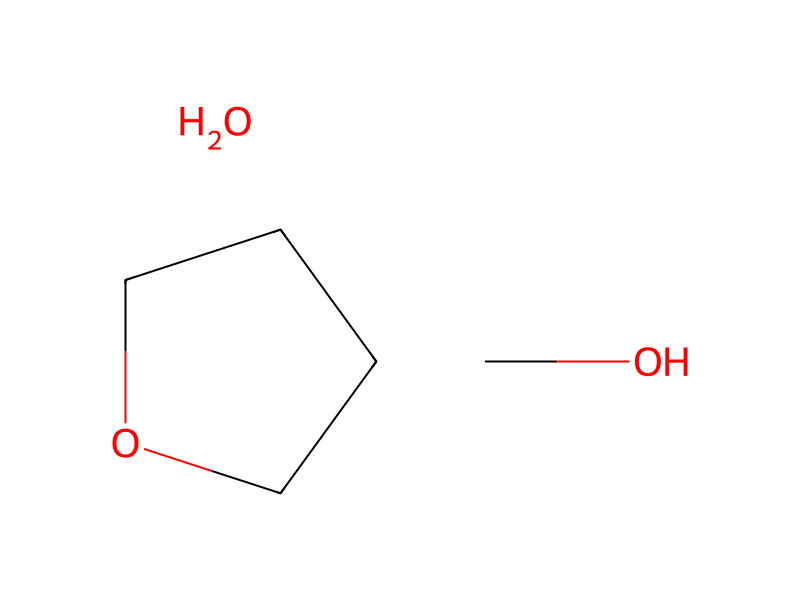
Reagents, catalysts & solvents 2

Procedure
To a 250 mL round-bottomed flask containing methyl 3-(4-(pyridin-2-ylamino)phenoxy)pyrazine-2-carboxylate (7.44 g, 23.1 mmol) was added the mixed solvent of THF/MeOH/water. The tan solution was stirred at room temperature with addition of lithium hydroxide (1.66 g, 69.2 mmol). A white precipitate quickly formed. The suspension was acidified to pH 3 with 1 N HCl:diethyl ether, basified to pH 9 with 10 N NaOH, and reneutralized to pH 7 with concentrated HCl. The precipitate was collected by filtration and identified as the product. MS (ESI, pos. ion) m/z: 309.0 (M+1). IC50 (uM) 18.835.
Workup
- customA white precipitate quickly formed
- filtrationThe precipitate was collected by filtration
Sources & evidence
- ORD record
- ord-9cce861245ef4f858818dd305af2692f
- Source dataset
- uspto-grants-2014_01
- Patent number
- US08637500B2
Reaction notes
Loading…