Hydrochloric Acid → 2-Naphthalenebutanoic acid
Reaction equation

[CH:1]1[C:10]2[C:5](=[CH:6][CH:7]=[CH:8][CH:9]=2)[CH:4]=[CH:3][C:2]=1[C:11](=O)[CH2:12][CH2:13][C:14]([OH:16])=[O:15].[OH-].[K+].O.NN.Cl>C(O)COCCOCCO>[CH:1]1[C:10]2[C:5](=[CH:6][CH:7]=[CH:8][CH:9]=2)[CH:4]=[CH:3][C:2]=1[CH2:11][CH2:12][CH2:13][C:14]([OH:16])=[O:15]Participants





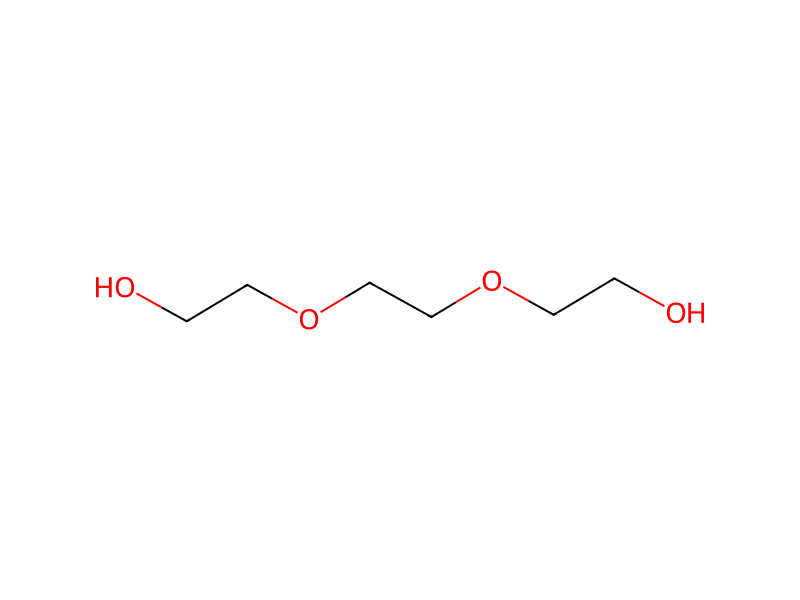
Conditions
- Temperature
- 195 °C
Procedure
To 300 ml of triethylene glycol contained in a 1-liter, 3-neck flask equipped with a magnetic stirrer, thermometer and take-off condenser was added 77.0 g (0.34 mole) of 4-(2-naphthyl)-4-oxobutyric acid, 61.2 g (1.09 moles) potassium hydroxide pellets and 45.44 ml of hydrazine monohydrate. The reaction mixture was heated up to 100°-110° C. with stirring and held there for 90 minutes. The temperature was gradually increased to 195° C. over 4 hours. Strong gas evolution commenced at about 130° C with some distillate coming over above 140° C. The reaction mixture was allowed to cool and then stirred at room temperature overnight. Next morning the reaction mixture was diluted with ice water and while cooling in ice was acidified with conc. hydrochloric acid. The white solids were collected by filtration, washed with warm water and air-dried to yield 69.0 g (94.9% by weight yield) of γ-(2-naphthyl) butyric acid. M.P. 96°- 99° C.; M/e 214; λmax 276 (5,580) ethanol.
Workup
- customequipped with a magnetic stirrer
- temperatureThe reaction mixture was heated up to 100°-110° C.
- customcommenced at about 130° C with some distillate
- customcoming over above 140° C
- temperatureto cool
- stirringstirred at room temperature overnight
- temperaturewhile cooling in ice
- filtrationThe white solids were collected by filtration
- washwashed with warm water
- customair-dried
Sources & evidence
- ORD record
- ord-88b74339917849b4b94b609033755c78
- Source dataset
- uspto-grants-1989_12
- Patent number
- US04886733
Reaction notes
Loading…