M-Cresol → HCID 18003553, compound
Reaction equation

[CH:1]1[C:6]([OH:7])=[CH:5][CH:4]=[CH:3][C:2]=1[CH3:8].[CH3:9][C:10]1[O:14][C:13]([C:15]2[CH:20]=[CH:19][CH:18]=[CH:17][CH:16]=2)=[N:12][C:11]=1[CH2:21][CH2:22]O.C1(P(C2C=CC=CC=2)C2C=CC=CC=2)C=CC=CC=1.N(C(OCC)=O)=NC(OCC)=O>C1COCC1>[CH3:9][C:10]1[O:14][C:13]([C:15]2[CH:16]=[CH:17][CH:18]=[CH:19][CH:20]=2)=[N:12][C:11]=1[CH2:21][CH2:22][O:7][C:6]1[CH:1]=[C:2]([CH3:8])[CH:3]=[CH:4][CH:5]=1Participants
6
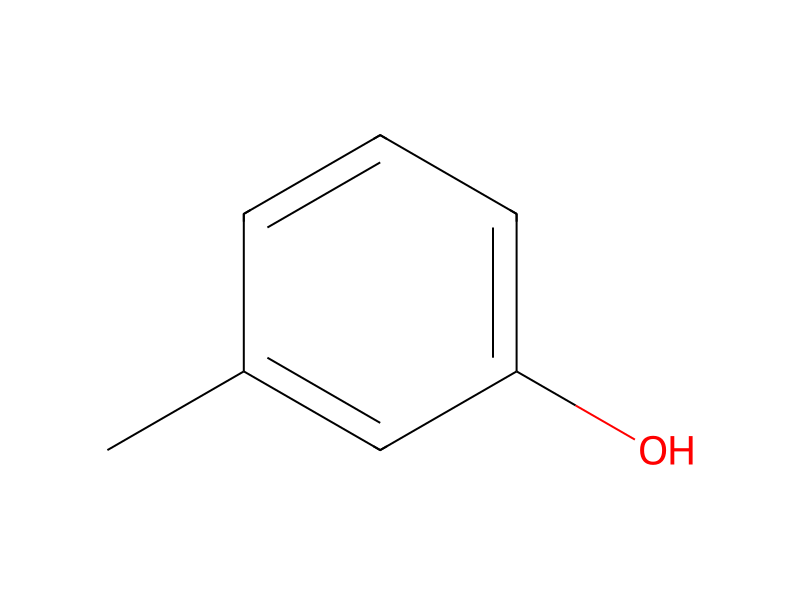





Conditions
- Temperature
- 22 °C
Procedure
A solution of 3.50 g of m-cresol, 9.87 g of 2-(5-methyl-2-phenyl-oxazole-4yl)-ethanol and 12.73 g of triphenylphosphine in 190 ml of THF was treated at 0° C. with a solution of 8.45 g of diethyl azodicarboxylate (DEAD) in 75 ml of THF over 20 min and the brown solution was stirred at 22° C. for 24 h. The solution was evaporated and the residue partitioned between CH2Cl2 (300 ml) and 0.1 N aqueous NaOH (100 ml). The organic layer was washed twice with water (2×100 ml), dried, the organic solvent was evaporated and the residue was chromatographed on silica (n-hexane/AcOEt, 20:1) to give 7.43 g (78%) of the title compound as white crystals.
Workup
- customThe solution was evaporated
- customthe residue partitioned between CH2Cl2 (300 ml) and 0.1 N aqueous NaOH (100 ml)
- washThe organic layer was washed twice with water (2×100 ml)
- customdried
- customthe organic solvent was evaporated
- customthe residue was chromatographed on silica (n-hexane/AcOEt, 20:1)
Sources & evidence
- ORD record
- ord-7d8f4b7aec5e4b81b605a03401168383
- Source dataset
- uspto-grants-2003_11
- Patent number
- US06642389B2
Reaction notes
Loading…