Glycol monoethyl ether → Propylene glycol methyl ether acetate
Reaction equation

[CH2:1]([O:3]CCO)C.[C:7]([O:10][C:11]1[CH:18]=CC(C=C)=C[CH:12]=1)(=[O:9])[CH3:8]>C(OC1C=CC(C=C)=CC=1)(C)(C)C.COC(=O)C(N=NC(C)(C)C(OC)=O)(C)C.[OH-].C[N+](C)(C)C>[C:7]([O:10][CH:11]([CH3:18])[CH2:12][O:3][CH3:1])(=[O:9])[CH3:8]Participants
Reactant 2

Product 1

Reagents, catalysts & solvents 3


Conditions
- Temperature
- 70 °C
Procedure
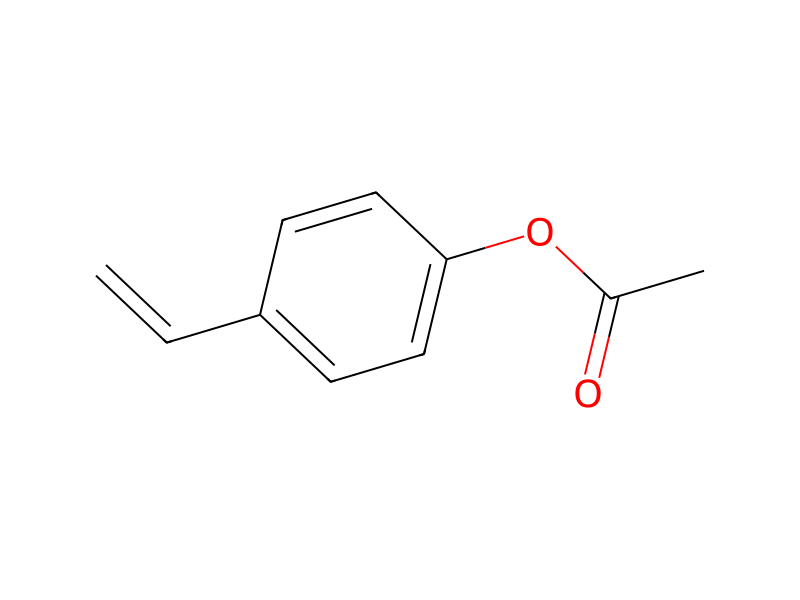
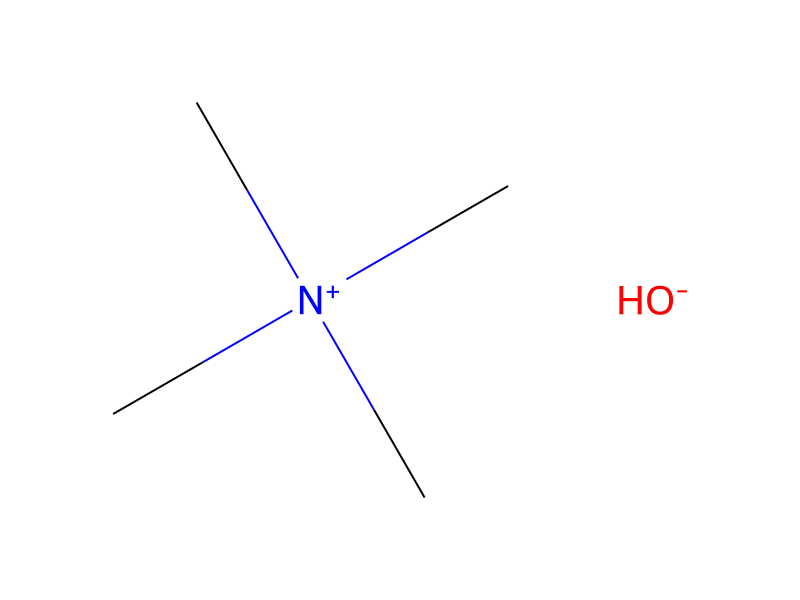
In a separable flask, 100 g of ethylene glycol monoethyl ether, 78.6 g of 4-acetoxystyrene, 21.4 g of 4-tert-butoxystyrene, and 3.7 g of dimethyl-2,2′-azobis(2-methylpropionate) as a polymerization initiator were charged and, after replacing the atmosphere in the separable flask with nitrogen, the reaction was conducted at 80° C. for 16 hours. To this reaction solution, 5 g of 25% tetramethylammonium hydroxide was added, followed by heating at 70° C. for 5 hours. To remove low-molecular weight oligomers and residual monomers, this solution was washed several times with methanol/deionized water mixed in arbitrary rate. After washing, the solvent in the solution was replaced with propylene glycol monomethyl ether acetate to obtain 400 g of a propylene glycol monomethyl ether acetate solution (solid content: 20%) of a 4-hydroxystyrene/4-tert-butoxystyrene polymer.
Workup
- customTo remove low-molecular weight oligomers and residual monomers
- washthis solution was washed several times with methanol/
- additionmixed in arbitrary rate
- washAfter washing
Sources & evidence
- ORD record
- ord-c28d494043a04e55b651cb0194e12929
- Source dataset
- uspto-grants-2003_11
- Patent number
- US06653418B1
Reaction notes
Loading…