Methyl iodide → HCID 18981050, compound
Reaction equation

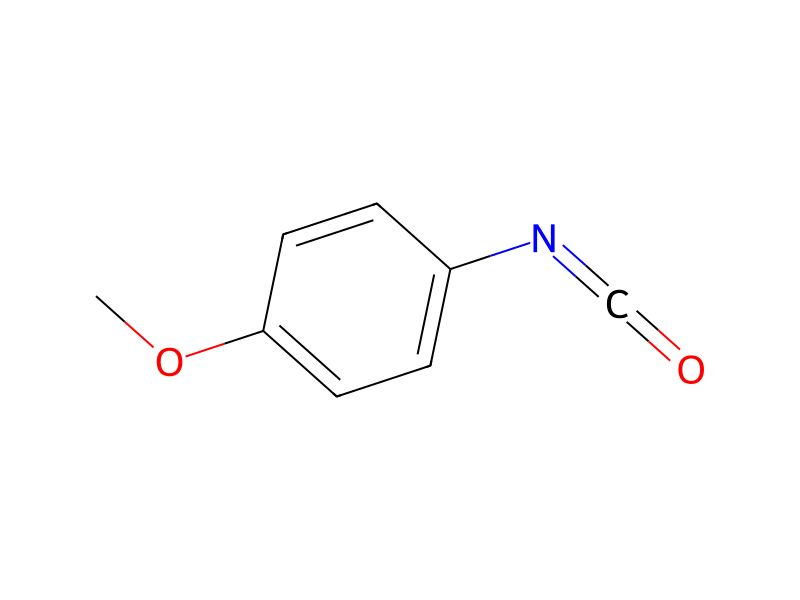
[H-].[Na+].[NH2:3]/[C:4](/[C:9]([F:12])([F:11])[F:10])=[CH:5]\[C:6]([O-])=[O:7].[CH3:13][O:14][C:15]1[CH:20]=[CH:19][C:18]([N:21]=[C:22]=[O:23])=[CH:17][CH:16]=1.[C:24](=O)([O-])[O-].[K+].[K+].CI>O.C(OCC)C>[CH3:24][N:3]1[C:4]([C:9]([F:12])([F:11])[F:10])=[CH:5][C:6](=[O:7])[N:21]([C:18]2[CH:17]=[CH:16][C:15]([O:14][CH3:13])=[CH:20][CH:19]=2)[C:22]1=[O:23]Participants







Conditions
- Temperature
- -20 °C
Procedure
In a flask was placed 8.27 g (0.207 mole) of a 60% suspension of sodium hydride in mineral oil. The mineral oil was removed by washing the sodium hydride twice with heptane. To the flask was then added 300 mL of tetrahydrofuran. This suspension was cooled to -20° C. at which it was maintained during the dropwise addition of 37.9 g (0.207 mole) of 3-amino-4,4,4-trifluorocrotonate. This mixture was allowed to stir for 10 minutes before the dropwise addition of 30.83 g (0.207 mole) of 4-methoxyphenyl isocyanate was commenced. Upon completion of addition, the reaction mixture was heated at reflux for approximately 16 hours. At the conclusion of this period the reaction mixture was cooled to ambient temperature, and 28.56 g (0.207 mole) of potassium carbonate and 58.75 g (0.228 mole) of methyl iodide were added to it. The reaction mixture was then heated at reflux for seven hours. At the conclusion of this period the reaction mixture was cooled, and diethyl ether and water were added to it. The aqueous phase was separated from the organic phase. The latter was washed with water, dried over anhydrous magnesium sulfate, and filtered. The filtrate was concentrated under reduced pressure, leaving a residue. This residue was passed through a column of silica gel, eluting with ethyl acetate/heptane mixtures starting with 1:8 and concluding with 1:1. The product-containing fractions were combined, and the solvent was evaporated under reduced pressure, yielding 27.1 g of 1 -methyl-3-(4-methoxyphenyl)-6-trifluoromethyl-2,4(1H,3H)-pyrimidinedione. The NMR spectrum was consistent with the proposed structure.
Workup
- customIn a flask was placed
- customThe mineral oil was removed
- washby washing the sodium hydride twice with heptane
- additionTo the flask was then added 300 mL of tetrahydrofuran
- additionUpon completion of addition
- temperaturethe reaction mixture was heated
- temperatureat reflux for approximately 16 hours
- temperatureAt the conclusion of this period the reaction mixture was cooled to ambient temperature
- temperatureThe reaction mixture was then heated
- temperatureat reflux for seven hours
- temperatureAt the conclusion of this period the reaction mixture was cooled
- customThe aqueous phase was separated from the organic phase
- washThe latter was washed with water
- dry with materialdried over anhydrous magnesium sulfate
- filtrationfiltered
- concentrationThe filtrate was concentrated under reduced pressure
- customleaving a residue
- washeluting with ethyl acetate/heptane
- customthe solvent was evaporated under reduced pressure
Sources & evidence
- ORD record
- ord-e40c4d4c2b574605ab8d6412cfb4b80d
- Source dataset
- uspto-grants-1998_08
- Patent number
- US05798316
Reaction notes
Loading…