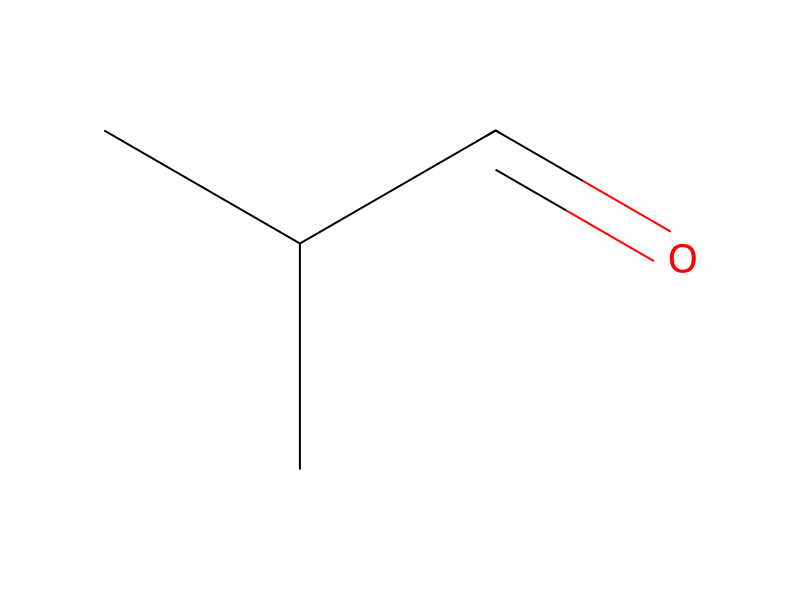
Isobutyraldehyde → HCID 20231523, compound
Reaction equation

C(=O)C(C)C.O.NN.C=CC=C.[CH:13]([CH:16]1[CH2:27][CH:26]=[CH:25][CH2:24][CH2:23][CH:22]=[CH:21][CH2:20][CH:19]([CH:28]([CH3:30])[CH3:29])[N:18]=[N:17]1)([CH3:15])[CH3:14].[H][H]>C(O)(C)(C)C.[Rh].[Ni]>[NH2:17][CH:16]([CH:13]([CH3:15])[CH3:14])[CH2:27][CH2:26][CH2:25][CH2:24][CH2:23][CH2:22][CH2:21][CH2:20][CH:19]([NH2:18])[CH:28]([CH3:29])[CH3:30]Participants
Reactant 5




Product 1

Reagents, catalysts & solvents 3


Procedure
Isobutgraldazine is prepared by causing isobutyraldehyde to react with hydrazine hydrate according to the operating conditions described in Example 1. One then carries out the cyclooligomerization reaction of the azine with the butadiene by using a molar ratio of 1/3 and by operating as in Example 1 (1 at. g of Ni for 20 moles of azine). In 100 ml of tert. butanol, 14 g of 3,12-diisopropyl-1,2-diaza-1,5,9 cyclododecatriene are hydrogenated in a 300-ml autoclave, in the presence of 1.4 g of rhodium catalyst deposited at 5% on alumina. The reaction is allowed to take place for 30 minutes under 100 bars of hydrogen at 30° C., then one maintains a temperature level of 160° C. under 200 bars of hydrogen for 25 hours. 12 g of the 1,10-diamino-1,10-diisopropyl decane thus obtained are chlorhydrated and phosgenated in the same manner as in Example 1. One recovers 13.2 g of 1,10 -diisopropyl-1,10-diisocyanate (phosgenation yield: 92% with respect to the amine) having an NCO group content of 1.85 equivalents per mole and presenting the following N.M.R. characteristics of the 13C atom (chemical shifts expressed in relation to CDCl3 at 77 ppm): ##STR11##
Workup
- customIsobutgraldazine is prepared
- customfor 30 minutes
- customat 30° C.
- customa temperature level of 160° C.
- customfor 25 hours
Sources & evidence
- ORD record
- ord-c13efd2f2bde4b29bf9c3ee3d6b3de74
- Source dataset
- uspto-grants-1986_03
- Patent number
- US04574059
Reaction notes
Loading…