Theophylline → 7-(6-Bromohexyl)-1,3-dimethylxanthine
Reaction equation

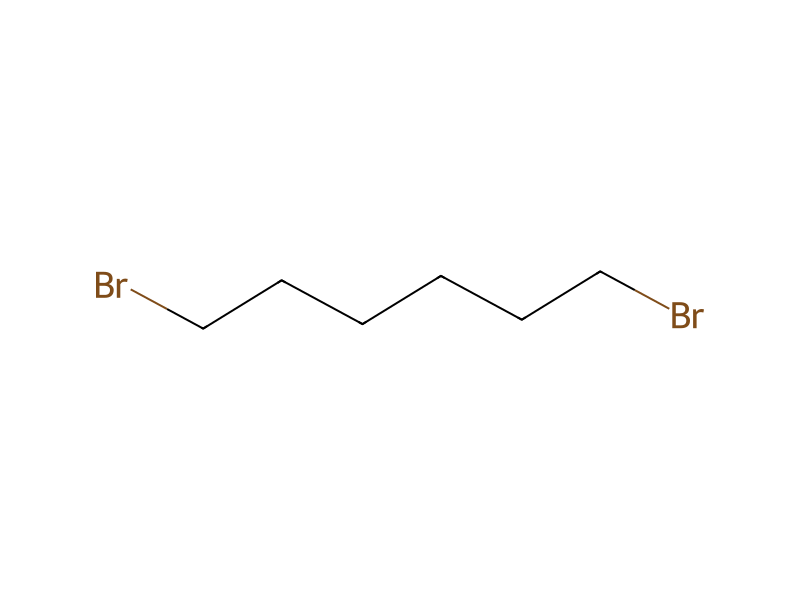
[CH3:1][N:2]1[C:11](=[O:12])[C:10]2[NH:9][CH:8]=[N:7][C:6]=2[N:5]([CH3:13])[C:3]1=[O:4].[OH-].[Na+].[Br:16][CH2:17][CH2:18][CH2:19][CH2:20][CH2:21][CH2:22]Br>O.C(O)CC>[Br:16][CH2:17][CH2:18][CH2:19][CH2:20][CH2:21][CH2:22][N:9]1[C:10]2[C:11](=[O:12])[N:2]([CH3:1])[C:3](=[O:4])[N:5]([CH3:13])[C:6]=2[N:7]=[CH:8]1Participants
6
Reactant 3


Product 1

Reagents, catalysts & solvents 2


Procedure
1,3-dimethylxanthine is dissolved in a mixture of 250 ml of water and 750 ml of n-propanol by adding an equimolar quantity of sodium hydroxide and heating. An equivalent amount of 1,6-dibromohexane is quickly added to the solution and the mixture is boiled under reflux for 1 hour. After evaporation of the n-propanol, 7-(6-bromohexyl)-1,3-dimethylxanthine is isolated.
Workup
- temperatureheating
- temperatureunder reflux for 1 hour
- customAfter evaporation of the n-propanol
Sources & evidence
- ORD record
- ord-6d3bcbb674b14df191e141ce8b413deb
- Source dataset
- uspto-grants-1986_03
- Patent number
- US04576947
Reaction notes
Loading…